Share This Article
IVE's legal warning shows K-pop's deepfake crackdown is getting harsher
STARSHIP Entertainment's latest IVE statement did more than promise legal action. By explicitly naming deepfakes, preserved evidence, criminal complaints, and civil claims, it showed how K-pop agencies are starting to treat AI-manipulated abuse as a frontline risk.
May 13, 2026
STARSHIP Entertainment says it has already filed criminal complaints over malicious posts targeting IVE, and the detail that changes the temperature is its explicit mention of deepfakes. According to STARSHIP Entertainment's official May 11 statement, the agency said it had secured evidence involving manipulated materials, would pursue civil claims without leniency, and would continue criminal action even when posts are deleted or accounts go private. The warning also arrived while IVE remains in an active REVIVE+ and world tour cycle, which raises the stakes around visibility. That moves this beyond the usual anti-hate housekeeping. One of K-pop's biggest agencies is treating AI-manipulated abuse as a frontline safety and reputation problem, not a cleanup job after the fact. For IVE, it is a defensive legal notice right now. For the wider business, it looks like a sign that K-pop's deepfake crackdown is entering a colder and more aggressive phase.
STARSHIP's statement turns deepfakes into evidence, not just outrage
STARSHIP's most important point was not the usual promise to protect its artists. It was the agency's emphasis on evidence collection, platform monitoring, and hard legal follow-through. According to STARSHIP Entertainment's official May 11 statement, fan reports and internal monitoring led to criminal complaints tied to posts on X, DC Inside, Naver, Daum Cafe, Nate Pann, Instiz, TheQoo, Instagram, Facebook, TikTok, YouTube, and other platforms. The company also said those posts remain usable evidence even after deletion, account changes, or privacy locks. That is a much sharper message than a generic warning to behave online. It tells bad actors that hiding the trail late will not erase the record, and it tells fandom spaces that agencies are learning how AI-era abuse actually moves. Just as important, the agency paired that evidence language with a promise of both criminal complaints and civil claims, which raises the cost of treating idol-targeted deepfakes like consequence-free content.
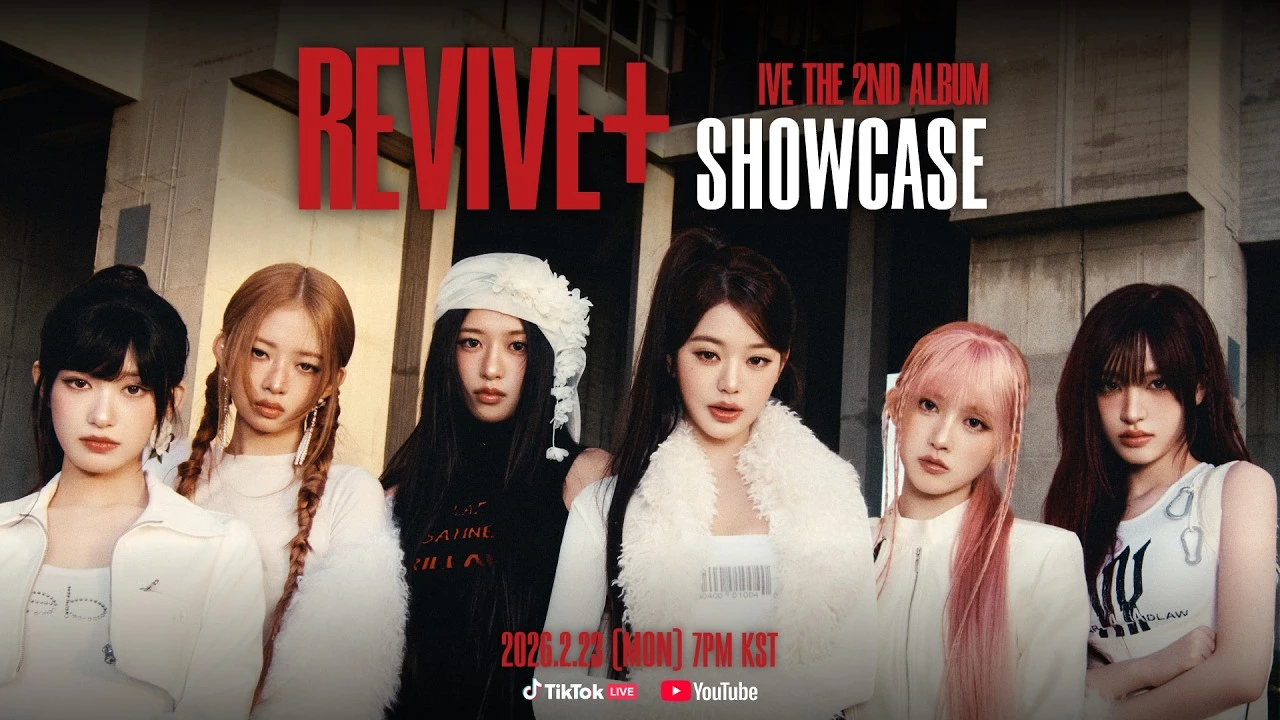
The statement also named all six IVE members, which matters because it framed this as group-wide protection rather than a one-off response to a single rumor cycle. That includes An Yujin, Gaeul, Rei, Jang Wonyoung, Liz, and Leeseo. For a group this visible, that kind of specificity matters. It signals that STARSHIP sees manipulated sexualized content, defamation, and privacy violations as part of the same threat landscape surrounding IVE's public image. It also stops the issue from being reduced to one member's rumor cycle when the agency is clearly describing a wider pattern of risk around the whole group. In practical terms, STARSHIP framed the six members as one legal-protection unit, which is a colder and more organized message than a selective response.
K-pop's deepfake problem is getting harder to ignore
This is why the IVE update matters beyond one fandom. What STARSHIP did on May 11 was pull deepfakes out of the catch-all bucket of malicious posts and into explicit legal language. According to STARSHIP Entertainment's official statement, the agency said it had preserved evidence, filed criminal complaints, and would pursue civil claims without leniency. The same notice also made fan reports part of the evidence pipeline, which means STARSHIP is widening enforcement beyond whatever its staff can catch alone. That combination matters because it treats AI-manipulated sexualized abuse as a legal and reputational risk with a paper trail, not just a moderation headache. By naming evidence preservation and fan reports in the same breath, STARSHIP also showed how enforcement can scale faster than staff-only moderation. Other companies will be watching that framing closely, because it reads like risk management for the AI era rather than another generic fandom warning.
Why the timing matters for IVE right now
The timing is not random. IVE is still moving through a high-visibility 2026 cycle built around REVIVE+, the group's second full-length album, and an active world tour footprint that keeps the members in constant public circulation. According to The Venetian Macao's official event listing, the six-member group is scheduled to play Macau on May 23 and 24, which means the legal warning lands while attention on the group is still running hot. That context matters because deepfake abuse feeds on visibility spikes. The bigger the comeback, the louder the tour, and the more searchable the members become, the more pressure agencies face to show they are not treating AI-manipulated harassment as background noise. According to STARSHIP's own wording, the point was not only to warn offenders but to show the agency had already moved from monitoring to enforcement. We have seen plenty of labels issue statements before. This one felt colder, more specific, and much more prepared for the evidence fight.