Share This Article
Baeksang 2026 Winners Just Redrew the Korean Film and TV Power Map
Baeksang 2026 was not just a winners list. It showed Netflix's prestige grip on TV, the rare box office force behind The King's Warden, and why Korean film still has room for sharper indie wins.
May 11, 2026
Baeksang Arts Awards 2026 just clarified where Korean screen power sits right now: prestige television is being driven by star-led dramas and streaming scale, while film is winning through a split between mainstream box office force and sharper critical work. The 62nd ceremony took place on May 8 at COEX in Seoul, and the winners list underlined that divide fast. According to the official Baeksang Arts Awards winners list and Korea JoongAng Daily's ceremony coverage, Seung-ryong Ryu took the broadcast Grand Prize for The Dream Life of Mr. Kim, while Hae-jin Yoo won the film Grand Prize for The King's Warden. The official Baeksang Arts Awards site positions the show as Korea's top integrated arts award. This year, the results made that claim feel earned for critics and fans because TV, film, and even musicals all showed up with very different definitions of momentum.
Baeksang 2026 split TV prestige from film muscle
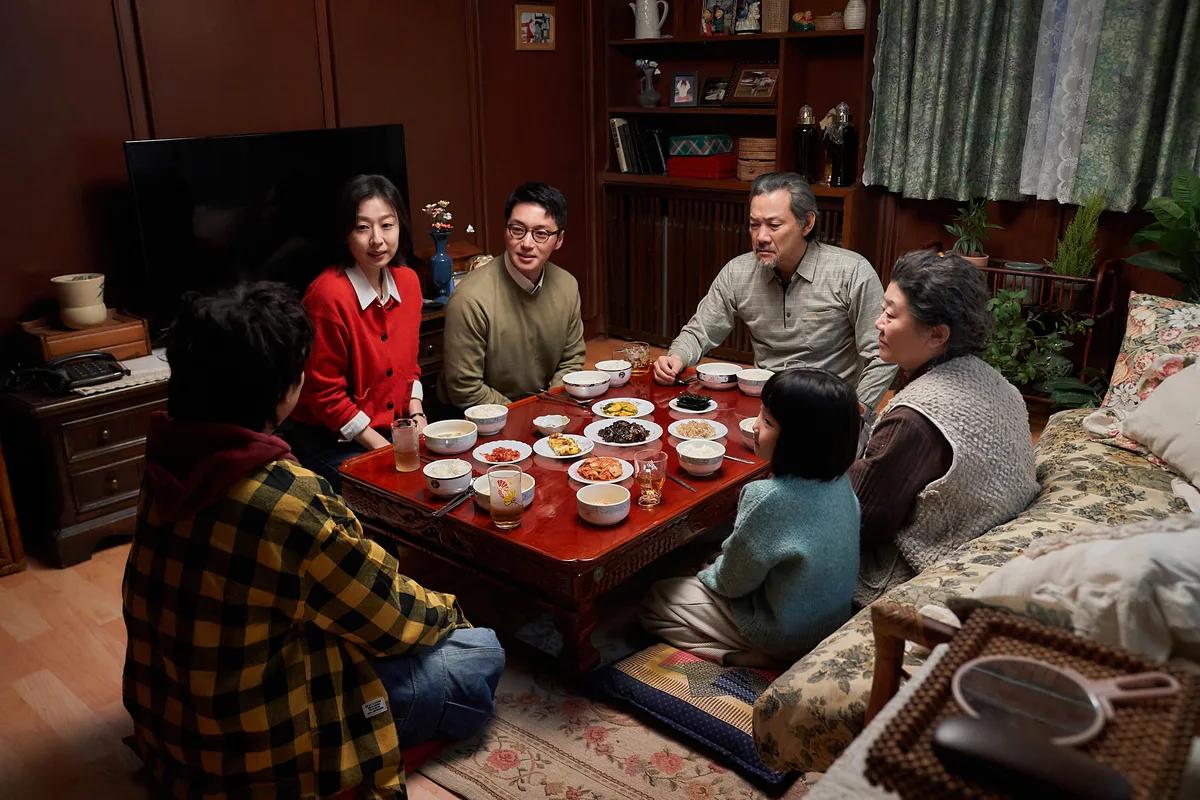
The clearest story from Baeksang 2026 is that Korean television and Korean film are not being rewarded for the same kind of success. On the TV side, Best Drama went to Netflix's You and Everything Else, while Hyun Bin won Best Actor for Made in Korea and Bo-young Park won Best Actress for Our Unwritten Seoul, according to the official Baeksang winners list and Korea JoongAng Daily's ceremony coverage. That is a prestige stack built on recognizable performers, polished writing, and platform reach. Film looked different. Korea Herald reported that The King's Warden arrived at Baeksang as the first Korean film in years to pass 10 million admissions, while Best Director still went to indie title The World of Love and Best Film went to No Other Choice. Baeksang did not pick one lane. It rewarded three at once.
Netflix and actor-driven dramas still set the TV agenda
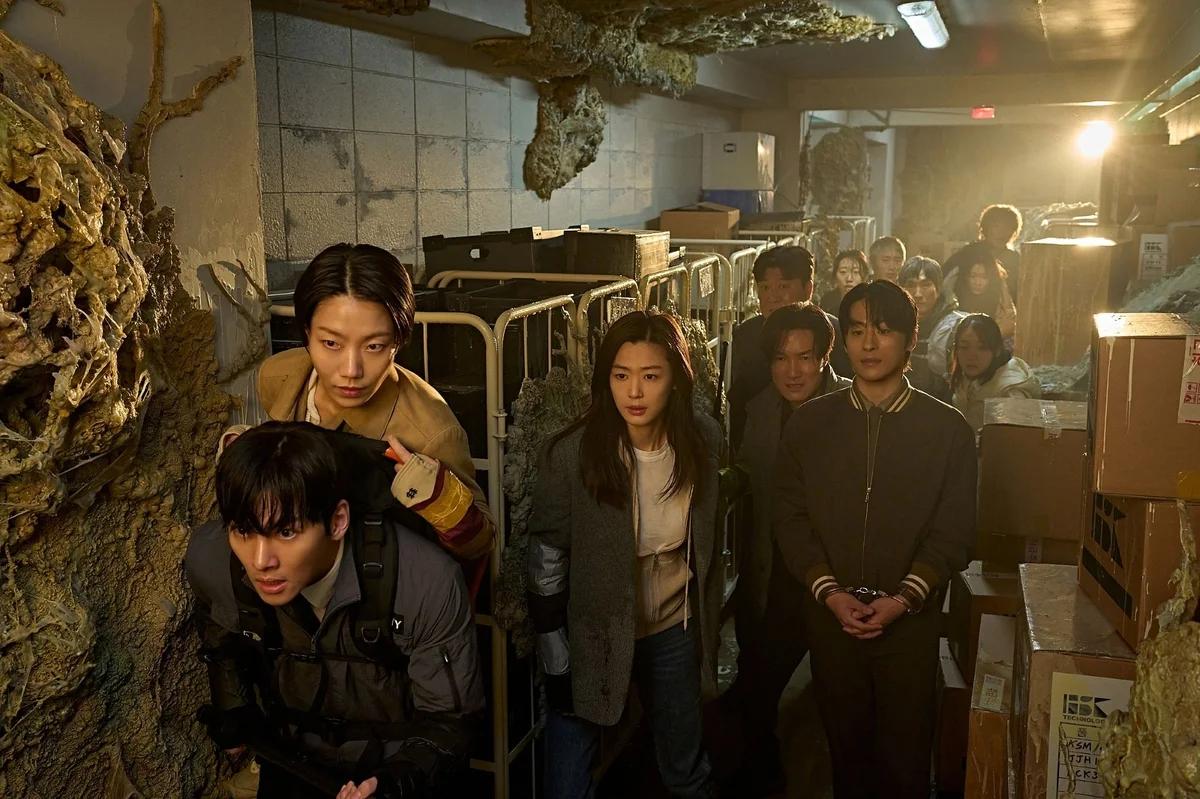
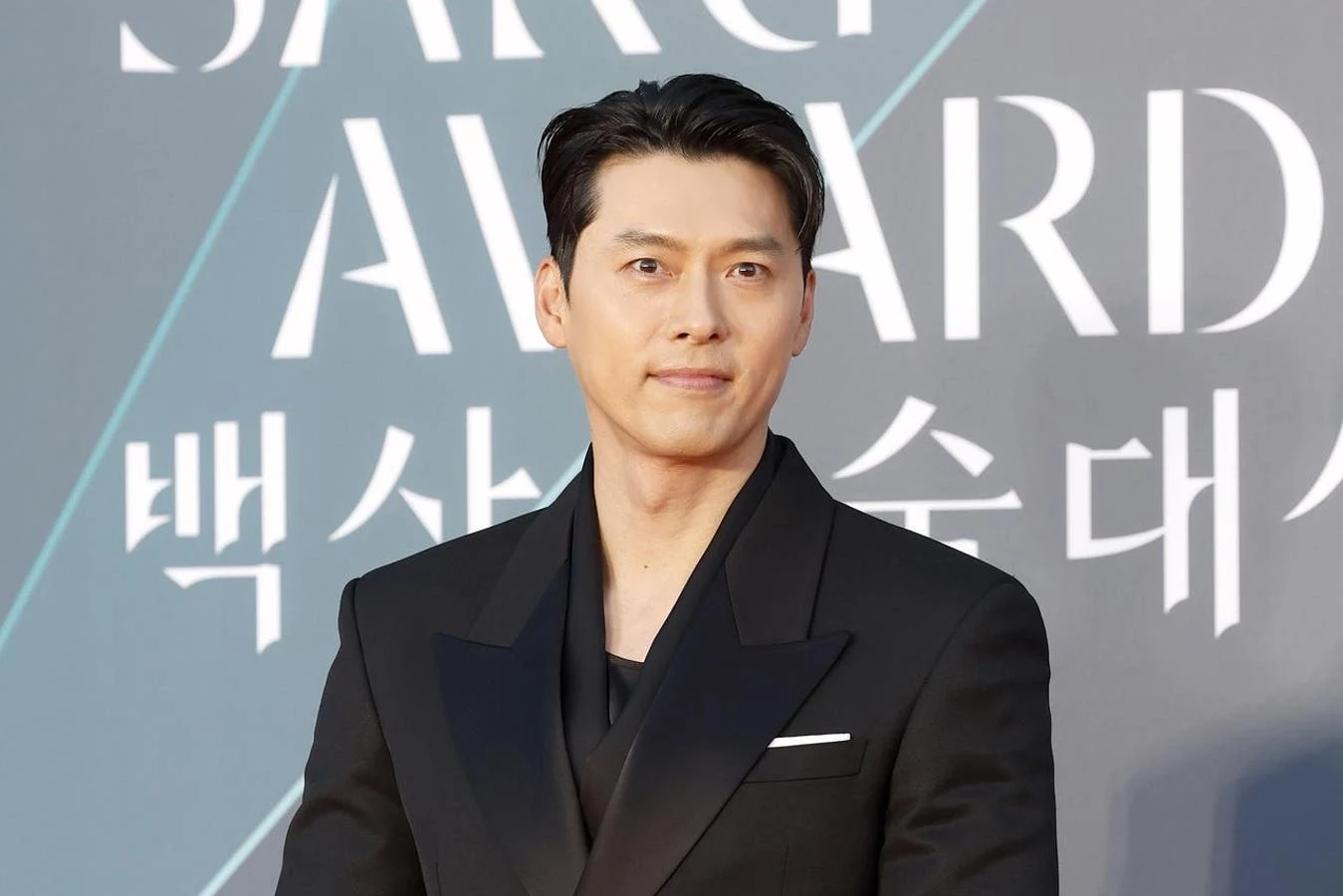
Baeksang's broadcast picks suggest the 2026 TV market still favors series that can look intimate while carrying obvious scale. You and Everything Else winning Best Drama gave Netflix another prestige marker, and it also echoed the platform strength we have already seen in our coverage of The Art of Sarah. Forbes also noted how the winners list spread attention across star turns, streaming scale, and prestige craft instead of one dominant sweep. At the same time, the acting wins mattered just as much as the platform win. Seung-ryong Ryu, Hyun Bin, and Bo-young Park represent three different kinds of bankable trust for Korean audiences: veteran weight, global name recognition, and emotional precision. As reported by Forbes, even the night's most viral moment came from Hyun Bin's acceptance speech, which tells you Baeksang was rewarding performance craft but still feeding the celebrity machine that keeps big dramas culturally loud.
The film side rewarded reach, new blood, and risk
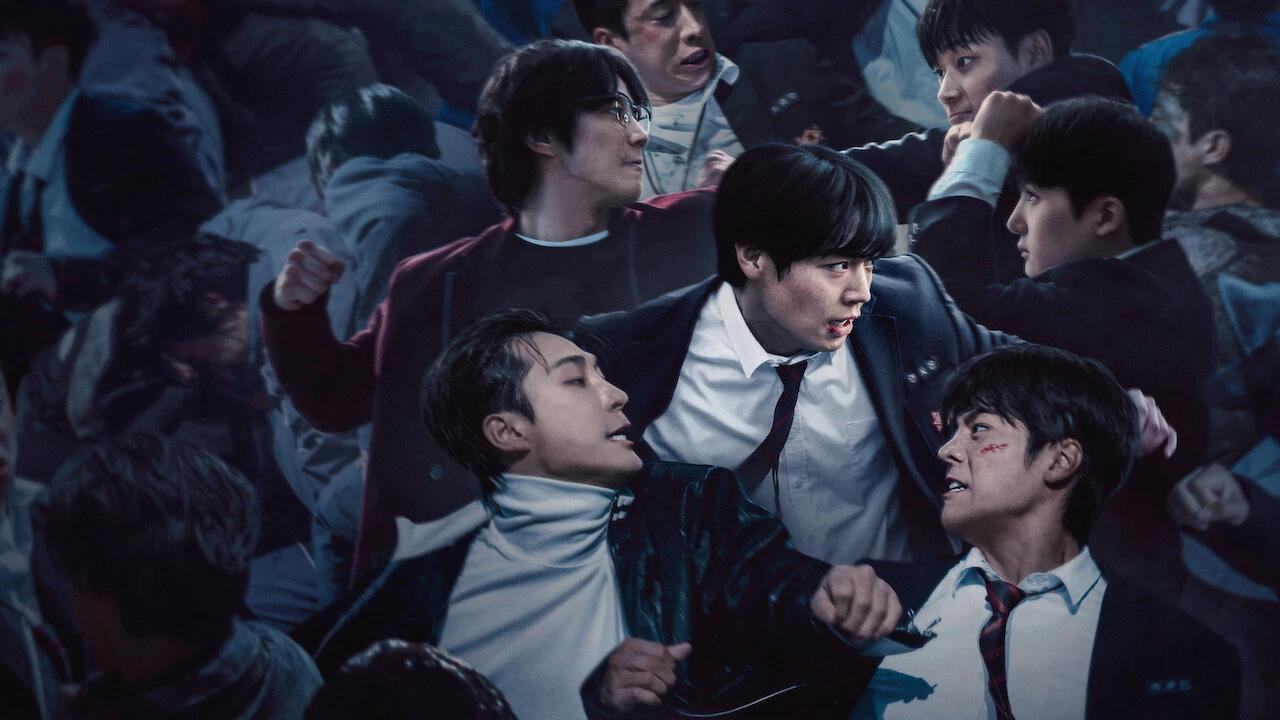
The movie winners made a stronger argument for range than consensus. Hae-jin Yoo's Grand Prize win and Park Ji-hoon's Best New Actor trophy gave The King's Warden the kind of haul that only happens when a film connects with both voters and regular ticket buyers. Korea JoongAng Daily reported that Yoo thanked the film's 17 million viewers at the ceremony, which turned the awards run into a box office victory lap. But Baeksang also left room for smaller work to hit hard. Korea Herald framed The World of Love's directing win as one of the night's notable upsets, and that matters because it shows the academy still wants room for films that do not need blockbuster size to feel essential. Korea Herald also tied that balance to the awards body's willingness to separate admissions power from auteur credibility. That balance is healthier than a sweep.
What the winners say about Korean entertainment now
Baeksang 2026 did not produce one runaway thesis about K-ent. It produced a market map. Television looks healthiest when streamers and top-tier actors meet in dramas that feel prestige enough for critics and accessible enough for broad audiences. Film looks more fragmented, but also more alive: one lane is chasing scale, another is chasing authorship, and Baeksang gave both lanes oxygen. Add YoonA Lim and Park Ji-hoon taking the Naver Popularity Awards, and the picture gets even clearer. Critical legitimacy still matters. Audience scale still matters. In 2026, Korean entertainment is rewarding both, just not always in the same room or for the same kind of momentum.