Share This Article
CJ ENM's The House just made Korea's AI film debate real
CJ ENM's The House hit TVING on May 1 after a Seoul premiere one day earlier, turning Korea's AI-filmmaking debate into a real release with real budget stakes.
May 4, 2026
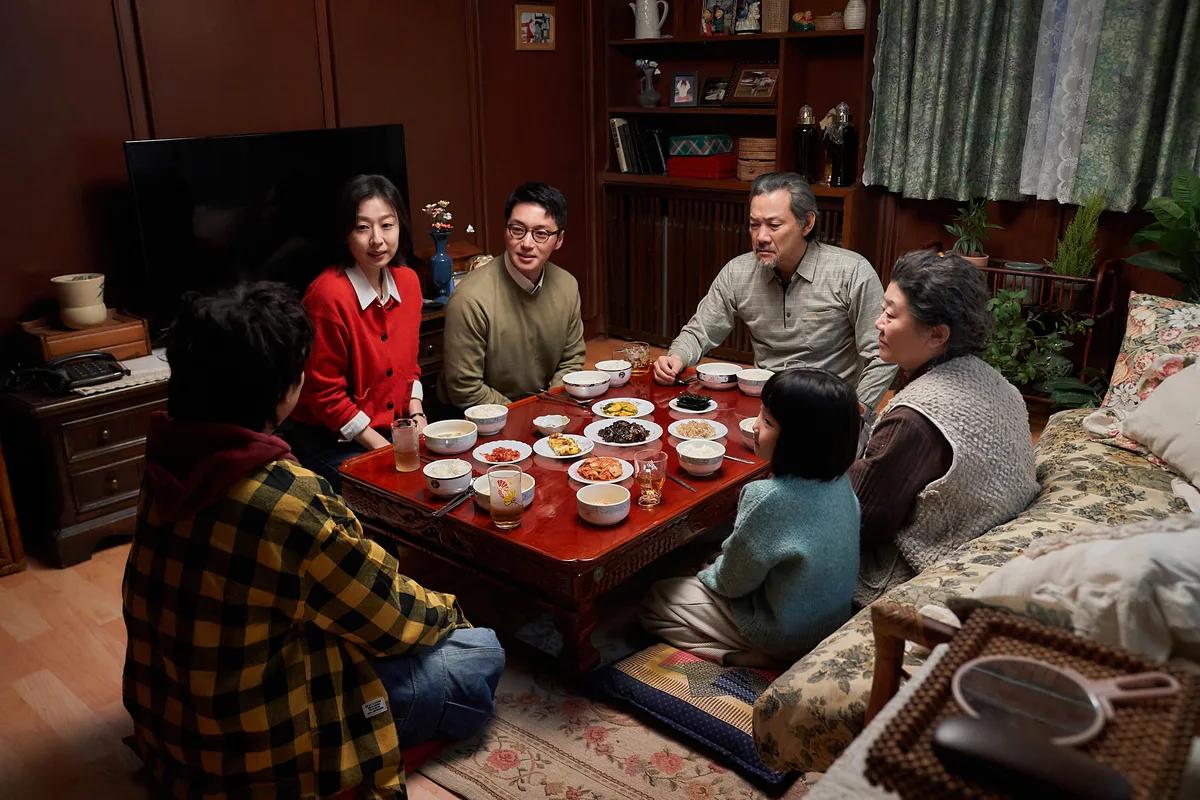
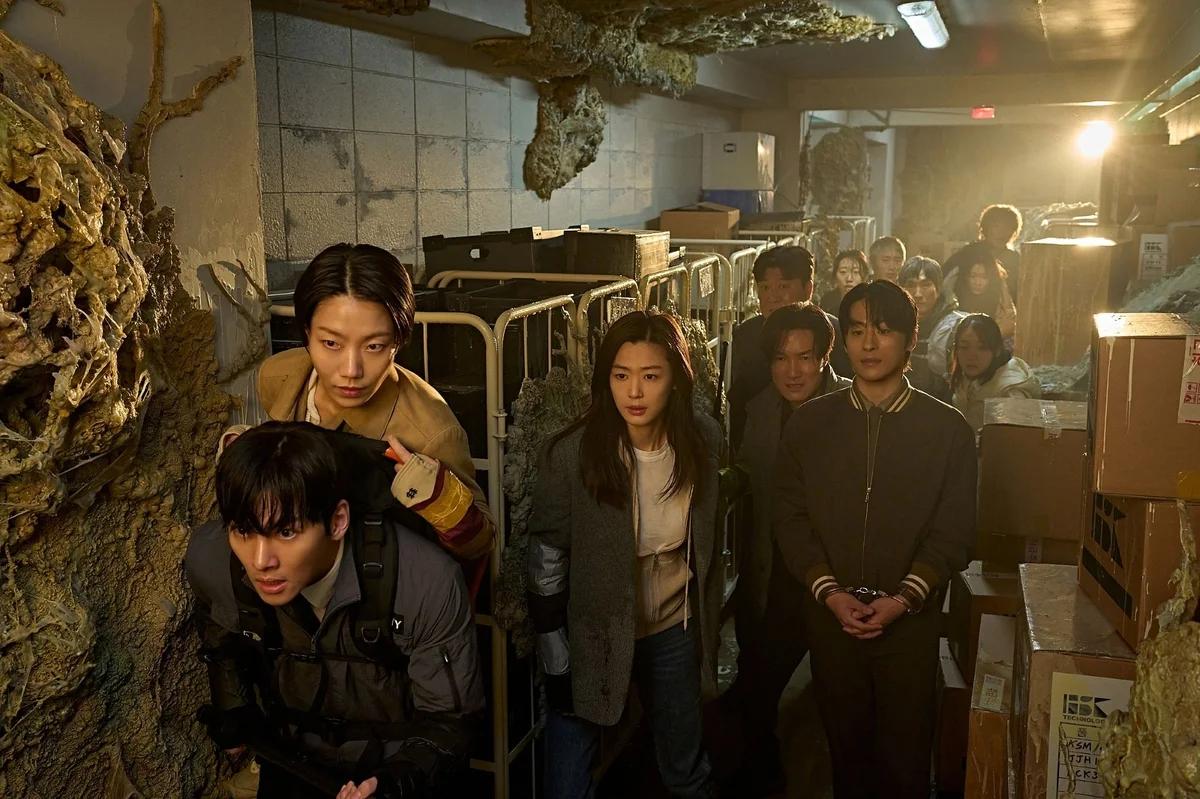
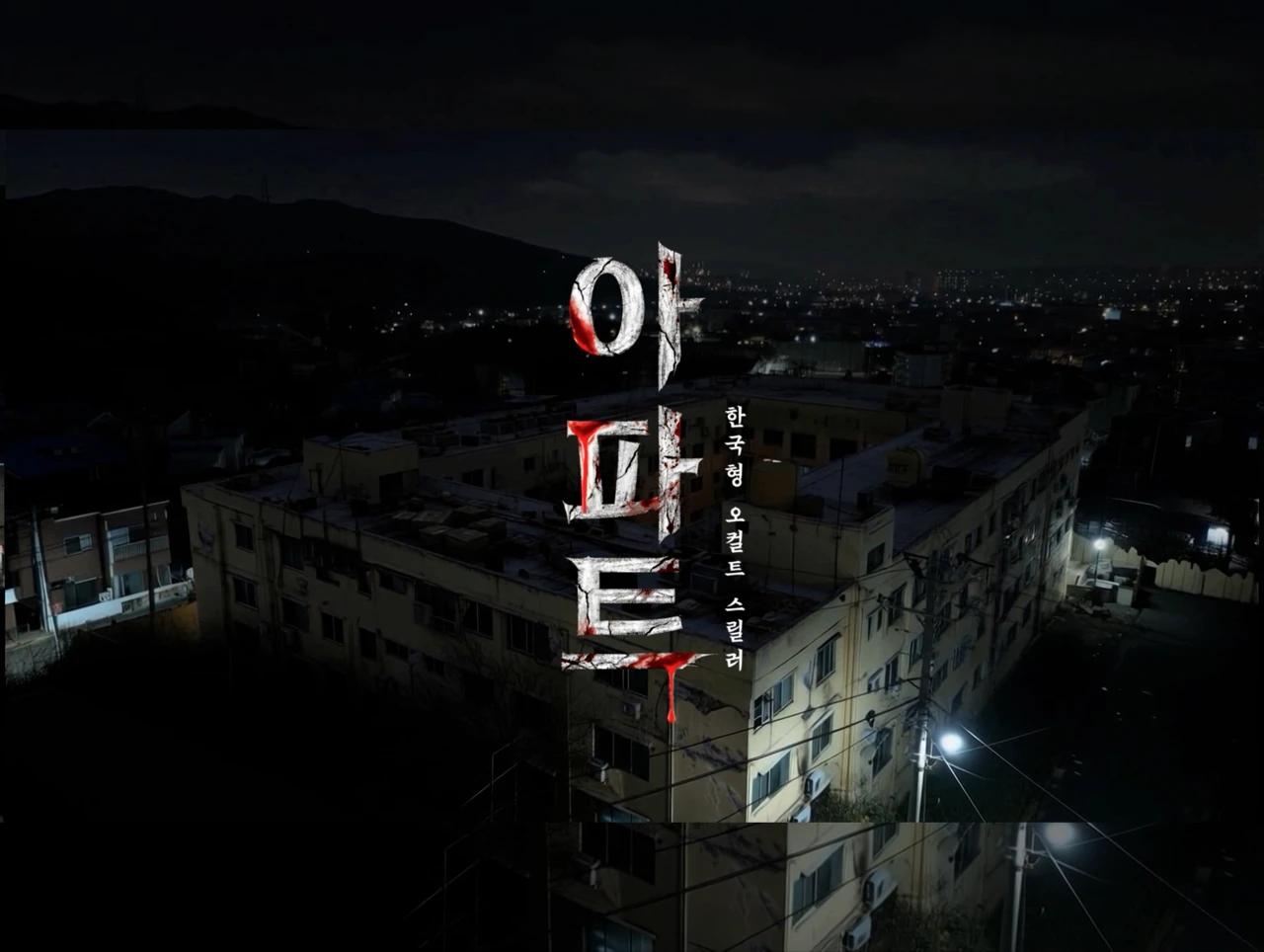
CJ ENM released The House on TVING on May 1 after premiering the 60-minute AI-hybrid occult thriller at its Culture TALK event in Seoul on April 30, turning Korea's AI filmmaking debate into a real consumer release instead of another lab demo. According to CJ ENM's official newsroom announcement, the film combines live-action performances with AI-generated backgrounds and visual effects across nearly every scene. The company said the production pipeline used Google's Imagen, Nano Banana 2, and Veo tools, while The Korea Herald framed the project as Korea's first hybrid AI feature and a concrete response to rising production pressure. That framing matters. Korea has spent the past year talking about AI as a future workflow, but The House is already sitting on a mainstream streamer with a release date, a finished runtime, and a corporate giant willing to put its name on the result.
The House is really a budget story before it is a movie story
The House cost about 500 million won, or roughly $337,000, and that number is the sharpest reason the project is getting attention beyond horror fans. As reported by UPI, CJ ENM's team said a conventional version would have cost at least five times more, with the cast filmed indoors on green screen and the full shoot finished in four days. According to The Korea Herald, the company is positioning that math as a serious answer to an industry squeezed by rising costs, reduced investment, and a weaker theatrical market. That is the real hook here. If AI can flatten the price gap between a simple dialogue scene and an effects-heavy supernatural sequence, Korean genre filmmaking suddenly gets a new production logic. We are not looking at a polished replacement for traditional crews yet, but we are looking at a test case that makes budget conversations much harder for the rest of the market to ignore.

CJ ENM still has to prove AI atmosphere can hold for a full narrative
The House looks more important as a workflow proof point than as an instant creative slam dunk, and even the supportive coverage leaves room for skepticism. The Korea Herald noted that some of the AI-generated environments still show visible seams, while the production team also admitted that getting specifically Korean apartment textures right was harder because image models still lean heavily on Western reference data. That detail matters more than any hype line about innovation. Korean viewers know exactly how a cramped apartment corridor, old wallpaper, or rundown low-rise block should feel on screen, so local texture is the first place a synthetic image gets exposed. That is why this release pairs well with our recent look at I'm Popo, another Korean AI-film experiment that made the same point from a different direction. The tools are moving fast. The question is whether the audience buys the illusion when the novelty wears off.
TVING gives Korea's AI film debate a public stage instead of a conference room
Putting The House on TVING one day after its Seoul premiere is what turns this from an industry panel talking point into a live audience test. According to CJ ENM, the film was unveiled at CGV Yongsan I'Park Mall and pushed straight onto the streamer the next day, which means viewers can judge the experiment for themselves instead of hearing executives summarize it onstage. My read is simple: that is the smartest part of the rollout. Korea's screen business does not need more abstract AI promises. It needs examples people can watch, argue about, and measure against regular releases. That wider conversation already fits the kind of global Korean screen interest reflected in The Korea Society's arts and culture programming, where Korean storytelling keeps being treated as a serious international subject rather than a niche import. If The House sparks debate, CJ ENM probably wins even before anyone agrees on the movie itself.