The Pulse of K-Entertainment

Panelists speak at an Airbnb event in Seoul about K-culture-driven travel to Korea
K-Culture4 min read

K-Culture Tourists Spend More, Stay Longer, and Could Push Korea Beyond Seoul

Airbnb's new Korea report says K-culture travelers spend more, stay longer, and increasingly want local experiences beyond Seoul.

Pak

May 4, 2026

0
#Hallyu#CORTIS#K-Culture Tourism#Airbnb#South Korea Travel

K-culture tourists are turning South Korea into a higher-value travel market, with travelers influenced by Korean music, dramas, food, and beauty spending about $435 more per trip and overwhelmingly staying at least three nights, according to Airbnb's new Korea Calling report. The study, which surveyed 4,500 travelers across Asia-Pacific and the United States, found that 94 percent said K-culture shaped their interest in visiting Korea and 75 percent called it a key or primary reason to book the trip. That matters because this is no longer just a fandom headline. It is a business story about Hallyu converting attention into longer stays, bigger travel baskets, and more regional demand. Airbnb says 55 percent of these travelers spend more than $2,000 before flights, a signal that K-pop and K-drama are not only exporting soft power. They are exporting premium tourism behavior.

Gen Z is turning fandom into itinerary planning

Gen Z is the sharpest edge of that shift. Airbnb's report says 80 percent of Gen Z and millennial respondents see K-culture as a major travel factor, while 36 percent of Gen Z travelers name K-pop as their primary reason to come to Korea. As reported by the Korea JoongAng Daily, many of those younger visitors are not chasing one concert night and leaving. They want themed spaces, neighborhood stays, and fan experiences that feel closer to participation than sightseeing. Airbnb is already trying to productize that behavior through experiences tied to CORTIS, the rookie boy group it used for the recent Seoul pop-up activation. We have already seen that screen to street loop in our coverage of KPop Demon Hunters tourism. The difference here is that Airbnb is attaching hard spend data to the same instinct.
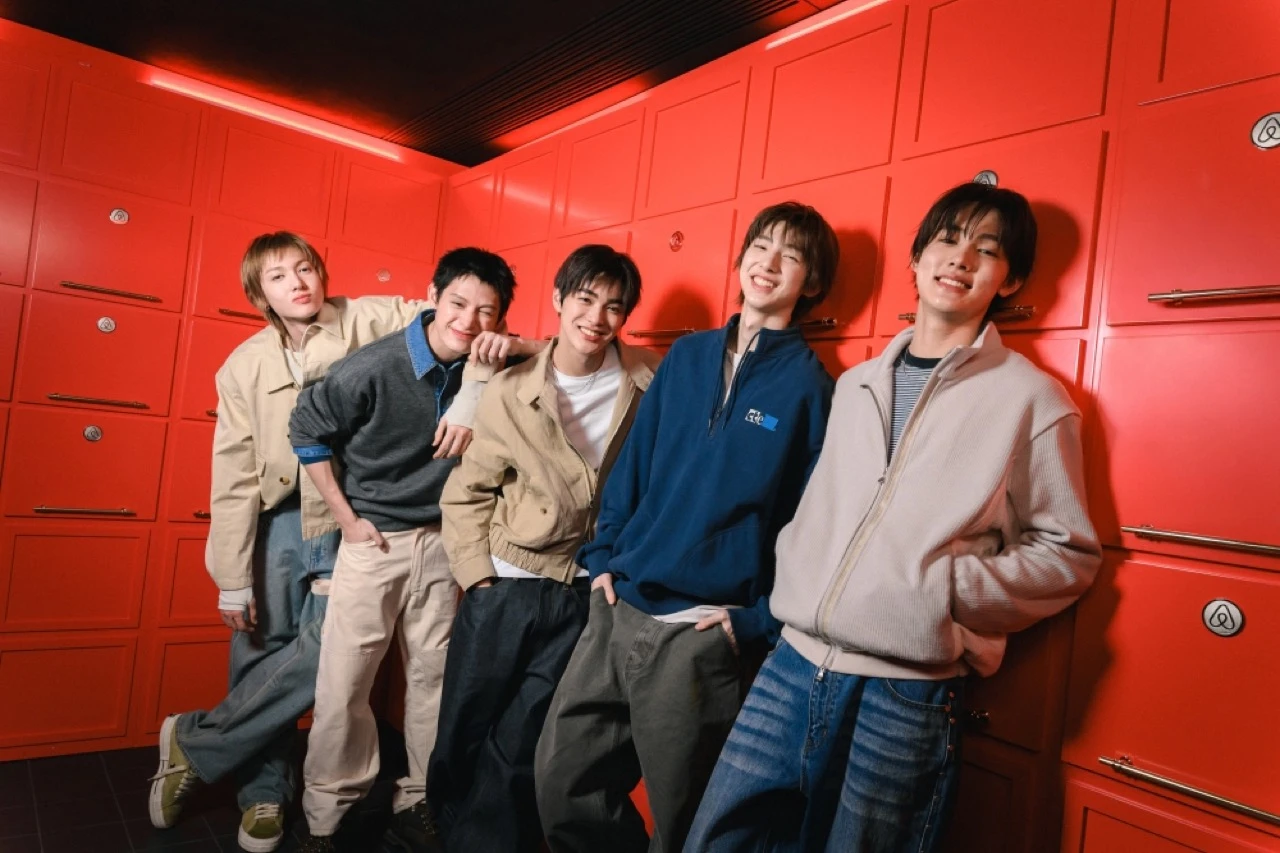
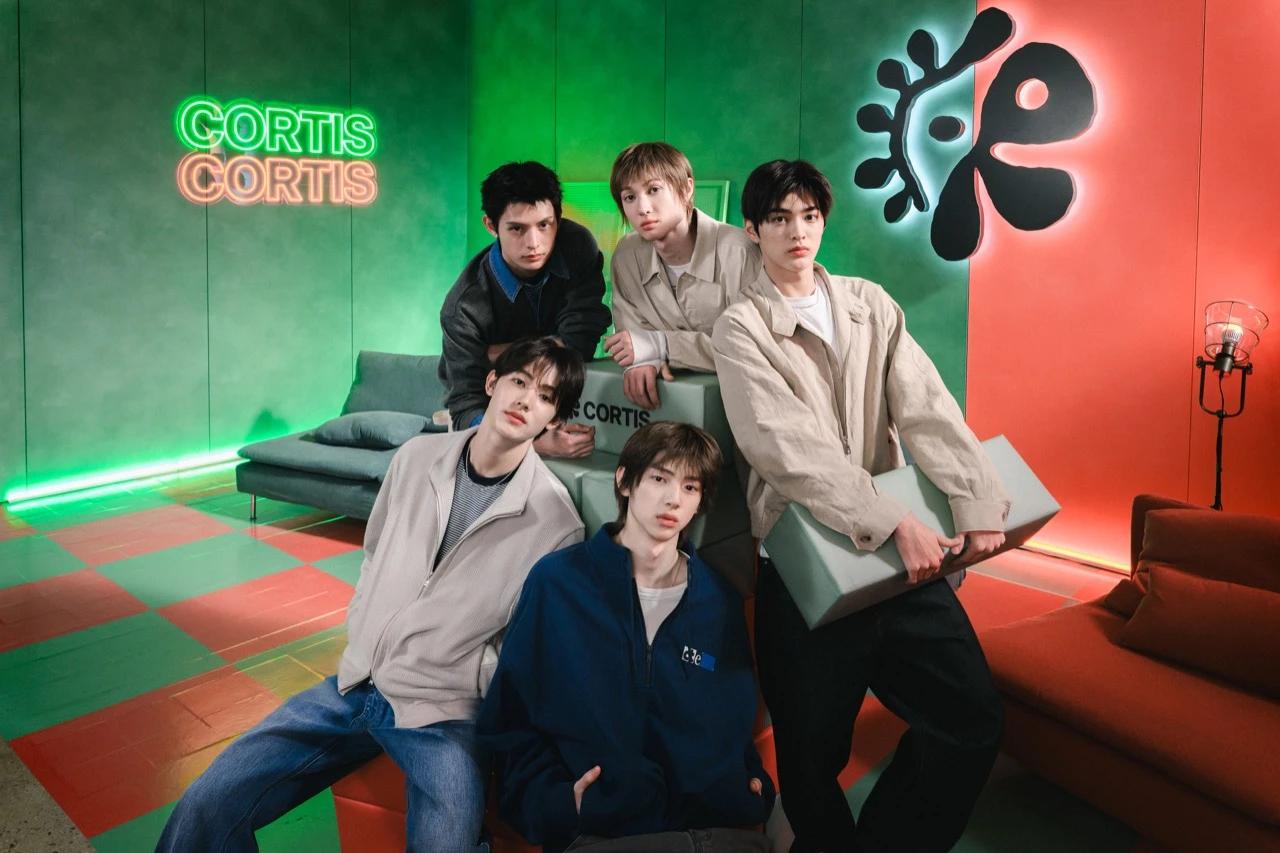
CORTIS members at Airbnb's Seoul promotional activation tied to K-culture travel
CORTIS at Airbnb's Seoul promotional activation tied to its K-culture travel push. Photo: Airbnb

The next prize is Korea beyond Seoul

The most important number in the report may be 79 percent. According to Airbnb's data, that is the share of respondents who have visited or want to visit destinations outside Seoul, and 83 percent say their decision depends on finding suitable places to stay beyond the biggest cities. The official Airbnb release also says 91 percent want authentic local culture, while 65 percent of guests who choose homestays do so to stay in local neighborhoods. That is the opening for Korea's next tourism play. K-culture can get travelers on the plane, but regional lodging, transport confidence, and better local discovery tools have to finish the job. If the supply catches up, Korea stops being a Seoul only boom and starts looking like a country where fandom can spill into food trips, coastal weekends, hanok stays, and smaller city cultural circuits.

This is a broader K-culture economy now

K-pop may be the entry point, but the travel logic is wider now. The Korea Herald reported that travelers motivated by K-culture are increasingly chasing food, heritage, and everyday neighborhood life rather than only stage-adjacent stops. That broader appetite helps explain why Korean culture institutions outside Korea, including the Korean Cultural Center New York and its year-round arts and education programming, keep meeting audiences who want a deeper relationship with Korean culture before they ever book a flight.

Airbnb's numbers will not settle every debate about how much tourism Hallyu can sustainably drive, and the company has obvious commercial reasons to frame the upside aggressively. Still, the direction is clear. Korea is no longer selling only blockbuster moments. It is selling duration, curiosity, and repeatable culture-led itineraries. If local accommodation policy and regional supply improve, the next wave of K-culture tourism could be less about finally seeing Seoul and more about discovering what comes after it.

Fans Also Ask

What does Airbnb's Korea Calling report say about K-culture tourism?
Airbnb's Korea Calling report says K-culture is now a major tourism driver for South Korea. Based on a survey of 4,500 travelers across Asia-Pacific and the United States, 94 percent said K-culture influenced their interest in visiting Korea and 75 percent said it was a key or primary reason to travel. The report also found these travelers spend more and stay longer than average visitors.
Why are K-culture tourists spending more in Korea?
K-culture tourists are spending more in Korea because many are building deeper, longer itineraries around music, drama, food, beauty, and local experiences rather than quick sightseeing trips. Airbnb says these travelers spend about $435 more per trip on average, and 55 percent spend more than $2,000 excluding flights. That suggests Hallyu is now driving premium travel behavior, not just cultural curiosity.
Why do K-culture travelers want to go beyond Seoul?
K-culture travelers want to go beyond Seoul because they are increasingly looking for authentic local culture, neighborhood stays, and a broader experience of Korea. Airbnb's report says 79 percent of respondents have visited or want to visit destinations outside Seoul, while 83 percent said suitable accommodation beyond major cities would shape that decision. The appetite is there, but regional lodging supply still looks like the bottleneck.
What does the Airbnb report say about Gen Z travelers in Korea?
Airbnb's Korea report says Gen Z is one of the strongest engines behind K-culture tourism. Eighty percent of Gen Z and millennial respondents said K-culture is a major factor in their Korea travel decisions, and 36 percent of Gen Z travelers said K-pop is their primary reason for visiting. That points to fandom evolving into longer, more experience-led travel planning.

Share This Article

Related Articles

What To Read Next

K-Culture

AI Subtitle Glasses Are Giving Korean Musicals a Real Global Access Play

AI subtitle glasses have moved into real Seoul theater use, giving Korean musicals a more scalable way to reach tourists and non-Korean-speaking fans without breaking immersion.

View through AI subtitle glasses inside a theater showing Korean caption overlays above a stage
By Pak/ May 4, 2026
0🔥00
K-Culture

Why Global Stars Keep Using Korea as Their Asia Launchpad

Global artists are using Korea as an Asia launchpad because Seoul's promo machine, export-ready fan culture, and growing concert circuit now deliver regional visibility faster than a standard tour stop.

Crowd at Asian Pop Festival 2026 at Paradise City in Incheon, South Korea
By Pak/ May 4, 2026
0🔥00
K-Culture

WEBTOON's Studio White turns Japanese fantasy IP into a new K-webtoon lane

WEBTOON's new Studio White links LINE Digital Frontier, REDICE STUDIO, and KADOKAWA to turn legacy Japanese fantasy IP into vertical webcomics, starting with a new Record of Lodoss War launch on May 9.

Promotional fantasy key art for the new Record of Lodoss War webcomic launch under WEBTOON's Studio White initiative
By Pak/ May 4, 2026
0🔥00
K-Culture

SM Entertainment Just Opened Its First Official Offline Merch Store in China

SM Entertainment has opened SMTown Store Shanghai, its first official offline merchandise store in China, turning K-pop merch demand into a live retail test in one of Shanghai’s busiest commercial zones.

Fans browsing merchandise inside SMTown Store Shanghai, SM Entertainment's new official offline store in China
By Pak/ May 4, 2026
0🔥00
K-Culture

Korean Original Musicals Are Quietly Building a Global Export Lane

Korean original musicals are moving from local prestige to real export strategy, with The Last Man headed to London and titles like Fan Letter and Hongryeon already proving they can travel.

Promotional poster art for The Last Man showing a lone performer in front of a bunker door
By Pak/ May 1, 2026
0🔥00
K-Culture

TXT and UNICEF Launch Together for Tomorrow Youth Mental Health Campaign

TXT and UNICEF Korea have rolled out Together for Tomorrow as a youth mental health campaign backed by a $1.4 million BIGHIT MUSIC pledge and a June follow-up video series.

TOMORROW X TOGETHER in a studio group portrait wearing soft-toned outfits
By Pak/ April 30, 2026
0🔥00
K-Culture

I'm Popo Wants to Put Korea's First Fully AI Feature on the Big Screen

I'm Popo opens May 21 as South Korea's first feature marketed as fully generative-AI-made, turning Kim Il-dong's one-person workflow into a real theatrical test.

Poster for I’m Popo featuring a courtroom interior above a humanoid police robot with glowing red eyes
By Pak/ April 28, 2026
0🔥00
K-Culture

Tappytoon’s Webby Win Proves Korean Webtoons Are Mainstream Digital Entertainment

Tappytoon’s 2026 Webby People’s Voice Award win gives Korean webtoons one of their clearest mainstream digital entertainment proof points yet.

Tappytoon promotional banner featuring several webtoon characters against a gray studio backdrop
By Pak/ April 28, 2026
2🔥00