Share This Article
K-Pop Isn't Just Selling Albums. It's Owning the Global Conversation.
Korea's 2025 Hallyu Report analyzed 1.5 million data points across 30 countries. The verdict: K-pop captures up to 38% of all Korean Wave media coverage globally, with BLACKPINK leading at 14.2%. Here's what media dominance means for soft power.
February 25, 2026
Forget album sales for a second. The Korean Ministry of Culture just dropped data that tells the other half of the story, and it's arguably the more important half.
The ministry's 2025 Hallyu Trend Report, released today, analyzed 1.5 million media reports and social media posts from 30 countries between October 2024 and September 2025. The finding that matters most: K-pop captures the largest share of all Korean Wave media coverage in every single region on the planet. Not just in Asia, where you'd expect it. Everywhere.
In Latin America, K-pop accounts for 38.1% of all hallyu-related media coverage. In North America, 32.3%. Asia, 31.8%. Even in Europe, where Korean drama has a strong foothold, K-pop leads at 24.5%. No other category of Korean content comes close.
BLACKPINK: The Most Covered Act on Earth
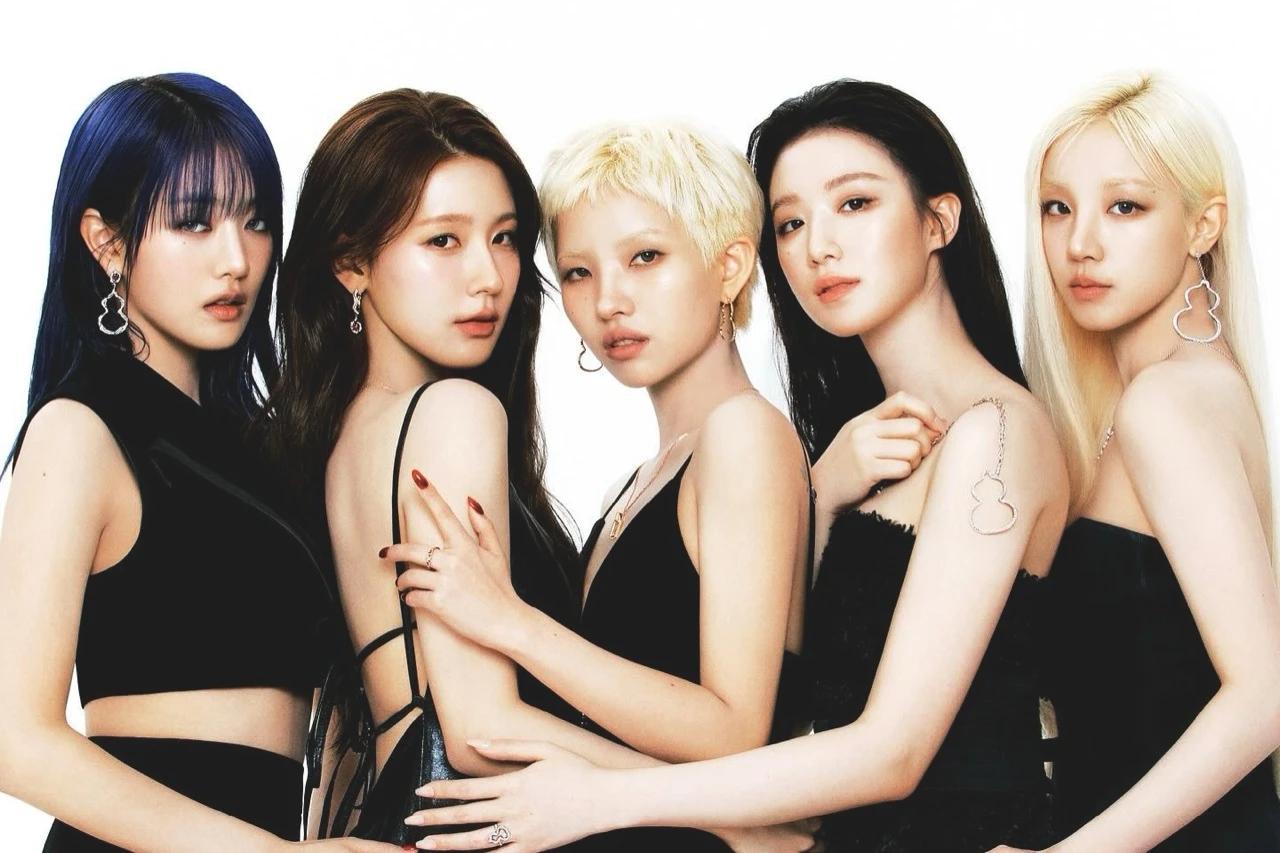
BLACKPINK commands 14.2% of all global K-pop media coverage, more than double any other act. And the breakdown by member reveals just how far the group's brand power extends beyond their collective identity.
Rosé alone accounts for 9% of global K-pop coverage, driven by the commercial explosion of her debut album Rosie under THE BLACK LABEL and the everywhere-at-once run of "APT." with Bruno Mars. Jennie and Lisa each pull 5%, reflecting their parallel solo campaigns through ODD ATELIER and LLOUD respectively. Jisoo rounds out the group at 2.6%, with her upcoming Netflix series Boyfriend on Demand positioned to push that number significantly higher.
Here's the thing worth sitting with: four women, operating through four different independent labels under the YG Entertainment umbrella, collectively generate more media coverage than entire entertainment categories in most countries. That's not fandom. That's infrastructure.
BTS, NewJeans, and the Rest of the Field
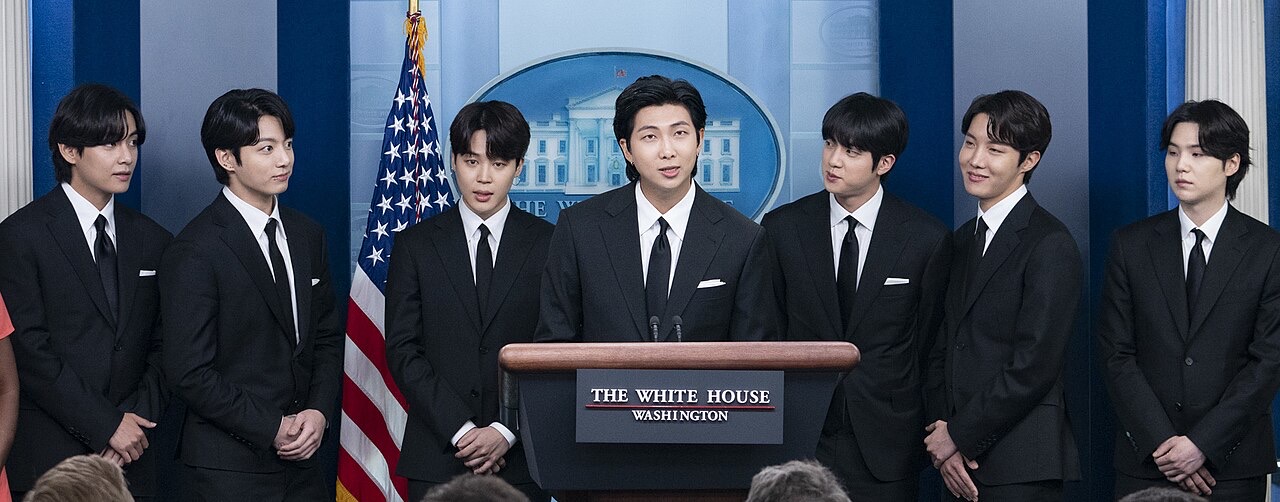
BTS sits at 7.3% of global K-pop media coverage, a number that's remarkable given that the group spent most of the report's analysis period (October 2024 to September 2025) with members still completing military service. That figure is set to spike dramatically. BTS's reunion album Arirang drops March 20, the group has a historic Gwanghwamun concert booked, and a global tour is on the horizon. If BTS pulled 7.3% while largely inactive, the 2026 numbers could be staggering.
NewJeans holds 3% of global coverage despite spending much of the period entangled in their legal dispute with HYBE. That a group in contractual limbo still commands measurable global media attention says everything about the cultural momentum they built before the conflict erupted.
The US Market: K-Pop's Biggest Audience
The United States generated the single largest volume of hallyu media coverage with 725 articles, more than any other country surveyed. The breakdown tells a clear story:
- K-pop: 33.8% of all Korean content coverage
- Movies: 21.8%
- TV series: 12.7%
- K-food: 11.6%
K-pop doesn't just lead the US market. It nearly equals movies and TV series combined. For context, this is a country where Korean cinema produced an Oscar Best Picture winner (Parasite) and Korean TV delivered Netflix's most-watched series ever (Squid Game). K-pop still outpaces both in raw media attention.
Beyond Music: The Content That's Moving the Needle
The report identifies Netflix animation KPop Demon Hunters, produced by Sony Pictures Animation, as the single most popular piece of Korean content globally. The film blended Korean folklore with K-pop culture and became Netflix's most-watched original title ever, crossing 500 million views. Its success represents something new: Korean cultural IP that doesn't fit neatly into K-pop, K-drama, or K-film but draws from all three.
When Life Gives You Tangerines drove measurable tourism to Jeju Island after its Netflix release, while Squid Game Season 3 topped streaming charts in 93 countries. Korean food terms like kimchi, soju, ramen, and bibimbap trended alongside keywords like "chef" and "Squid Game," evidence that Korean content is now driving consumer behavior across entirely different industries.
Latin America: The Untold Growth Story
The most striking number in the entire report might be Latin America's 38.1% K-pop media share, the highest of any region. This isn't an accident. Latin America has been building one of the world's most passionate K-pop fanbases for years, and the data now confirms what fan communities already knew.
Argentina generated the third-highest volume of hallyu media coverage after the US and India. BTS's diplomatic impact in Mexico, BLACKPINK's stadium tours across the region, and the proliferation of K-pop cover dance groups throughout South America have created a cultural ecosystem that feeds media coverage, which feeds more cultural engagement, which feeds more coverage. It's a flywheel, and it's spinning faster than anywhere else on earth.
What This Actually Means
Earlier this month, we broke down how K-pop claimed seven of the top 10 spots on the IFPI Global Album Sales Chart. That was the commerce story. This is the culture story. Together, they paint a complete picture: K-pop doesn't just sell more albums than anyone else. It dominates the entire conversation about Korean culture worldwide.
The ministry itself framed the data in strategic terms. "Hallyu has evolved beyond a simple pop cultural trend into a key strategic national asset that drives the national brand and industrial competitiveness," said Lee Eun-bok, the ministry's director of overseas public relations policy.
That language isn't hyperbole. When a government treats its pop music industry as a strategic national asset, and the data backs it up, you're looking at something that transcends entertainment. K-pop is South Korea's most effective diplomatic tool, its most visible cultural export, and its most consistent generator of global media attention.
With BTS returning to full activity, BIGBANG heading to Coachella, and BLACKPINK members operating across music, film, and fashion simultaneously, 2026 is positioned to push these numbers even higher. The Korean Wave isn't cresting. It's accelerating.