Share This Article
J.Y. Park Steps Down from JYP Entertainment Board, Stays as CCO
After 14 years as an internal director, JYP Entertainment founder Park Jin-young is stepping down from the company's board. He keeps his CCO role and shareholder position, and he has a Korean cultural empire to help build.
March 11, 2026
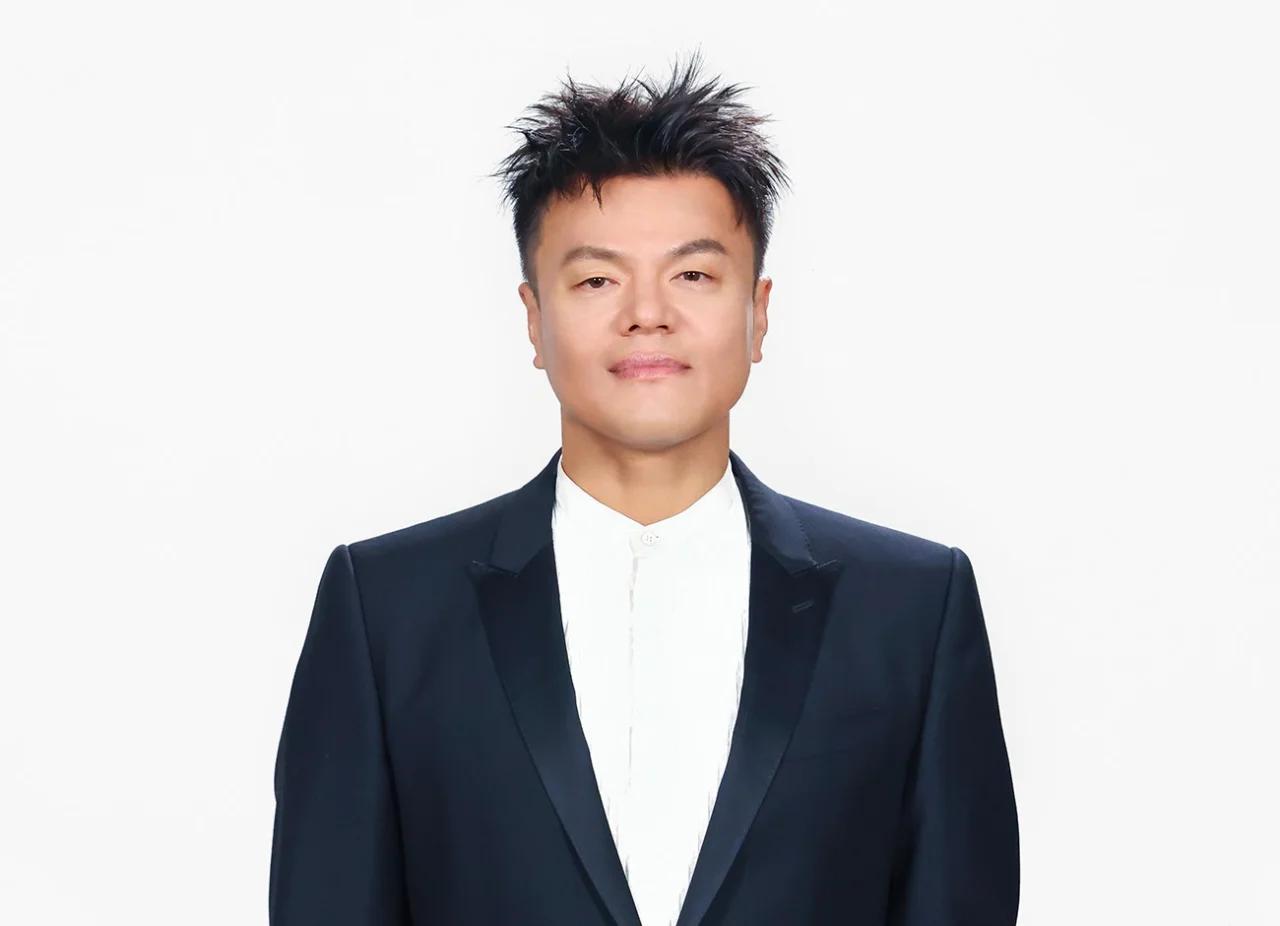
After 14 years on the board of the company he built into one of K-pop's Big Four, Park Jin-young (박진영) is stepping down. On March 10, 2026, JYP Entertainment confirmed that its founder will not seek reappointment as an internal director at the company's upcoming shareholders' meeting on March 26. Park, 54, will remain the company's Chief Creative Officer, its largest shareholder with a 15.82% stake, and its founder in every meaningful sense. But the title of inside director is done. This is a deliberate pivot, not a farewell.
What He's Walking Away From, What He Keeps
The distinction matters. "Inside director" is a formal corporate governance role, the kind that comes with legal fiduciary obligations and a seat in the boardroom during shareholder meetings. Stepping away from that role is a structural change, not a statement of disengagement. JYP Entertainment stated plainly that Park plans to "focus on his creative work as an artist, mentor younger artists, and take on new external roles related to the K-pop industry."
Park first joined JYP Entertainment's board as an internal director in 2011, fourteen years after he founded the company. Since then, he has overseen the label's transformation from a mid-tier agency into a global powerhouse responsible for TWICE, Stray Kids, ITZY, and NMIXX, among others. His creative fingerprints, most famously the whispered "J.Y.P." signature woven into the opening bars of countless hit records, are baked into the identity of an entire generation of K-pop acts.
The Government Role That Changed the Equation
The clearer explanation for the board exit is what Park signed up for last year. In September 2025, he accepted an appointment as co-chair of the Presidential Committee on Popular Culture Exchange under President Lee Jae Myung, a ministerial-level advisory body charged with shaping South Korea's national cultural export strategy. Park initially turned the position down for three months before accepting it, explaining he wanted to pursue initiatives at a national scale that a single entertainment company cannot achieve on its own.
The committee's stated ambitions are enormous: establish a national vision for K-pop policy, deepen public-private industry collaboration, and position South Korea among the world's top five cultural powerhouses. Park has publicly floated the idea of creating a Korean music festival to rival Coachella in global cultural footprint. That kind of objective requires full-time attention, not a side role squeezed between quarterly earnings calls.
Twenty-Nine Years of Building K-Pop History
Park founded JYP Entertainment in 1997, the same year he graduated from Yonsei University with a degree in geology. His early roster reads like a K-pop origin story: g.o.d in 1999, Wonder Girls in 2007, 2PM and 2AM in 2008. The JYP system shaped what K-pop idol training looks like across the entire industry, not just under the company's own roof.
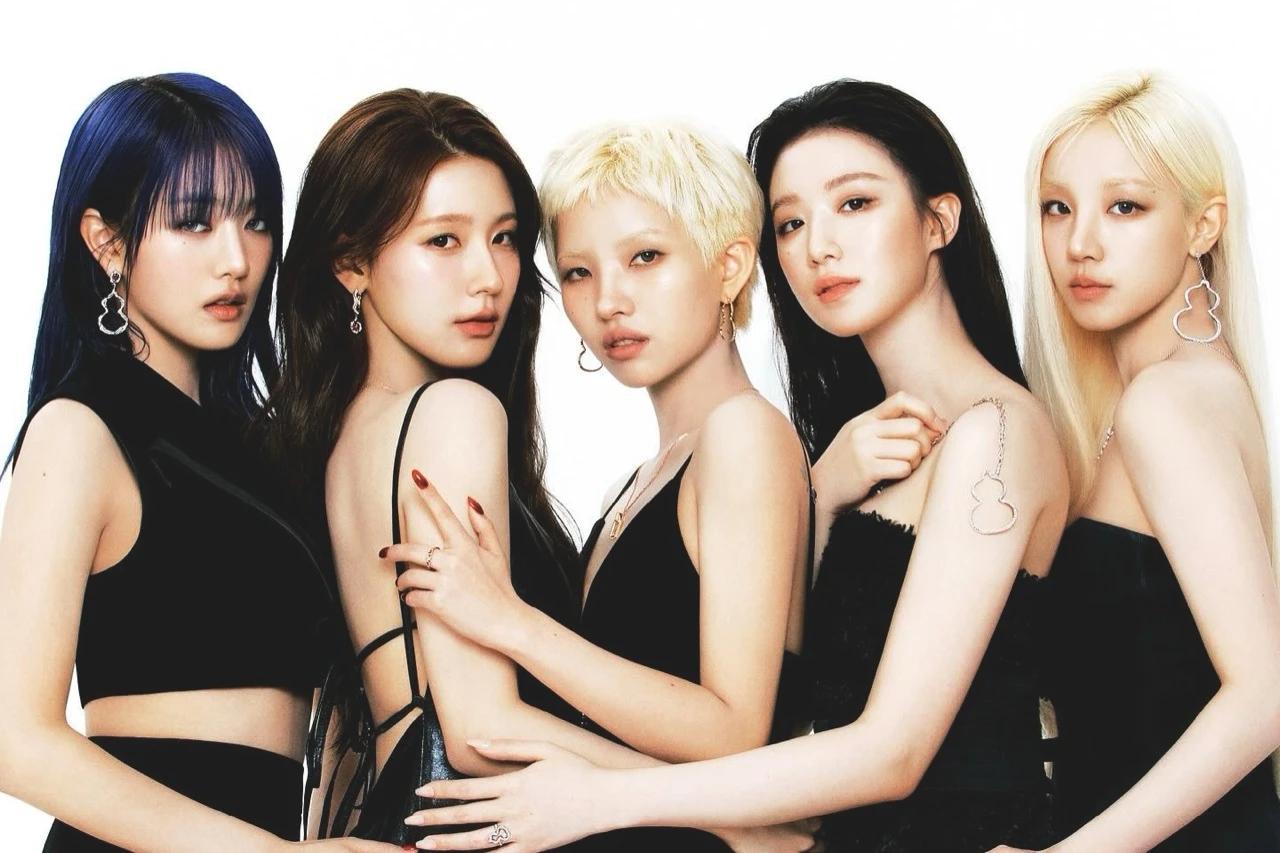
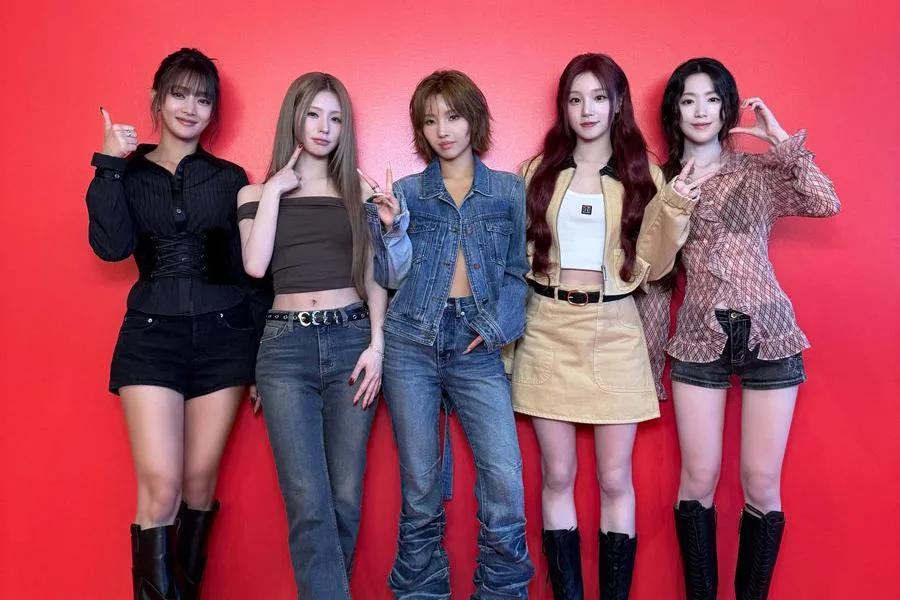
GOT7, TWICE, Stray Kids, ITZY, NMIXX: the list of groups that Park developed and produced is a shorthand history of K-pop's global expansion. Each generation of JYP artists landed bigger international footprints than the last. TWICE and Stray Kids both operate through Republic Records in the United States. NMIXX debuted to immediate global attention. The label Park leaves the board of is in arguably the strongest position it has ever been.
As a solo artist, Park debuted in 1994 under the stage name J.Y. Park and has released a string of distinctive hits over the past three decades, including "Who's Your Mama?" (2015, featuring Jessi) and "When We Disco" (2020, with Sunmi). His music has always operated at a slightly different frequency from his label acts: funkier, more self-referential, and less commercially calculated. The creative freedom to lean into that is, by his own account, part of what drew him toward this transition.
What This Means for JYP Going Forward
The honest read is that JYP Entertainment is in a stable enough position for this to be an orderly transition rather than a crisis. Park holds the company's largest single shareholder stake. He remains CCO. The day-to-day corporate operations have been managed by professional leadership for years. Removing himself from the inside director seat does not remove his influence, it just clarifies the nature of it.
What changes is the signal. Park is telling the industry, and arguably the Korean government, that K-pop's next chapter is a public policy story as much as it is a commercial one. His seat on the presidential committee is not an honorary appointment. If he can make the case that a state-backed cultural infrastructure can amplify what individual companies are already doing internationally, the implications for the entire Korean Wave (Hallyu) ecosystem reach well beyond JYP Entertainment's quarterly numbers.
The shareholders' meeting on March 26, 2026 is where the formality closes. By then, most of what matters will already have shifted.