Share This Article
Gyeongbokgung's Palace Light Stick Turns Heritage Into Fan Merch
Gyeongbokgung's new Palace Light Stick packages royal heritage with concert-merch logic, turning a palace visit into a collectible fandom-style experience.
May 11, 2026
Gyeongbokgung Palace (경복궁) now has its own Palace Light Stick, a new piece of festival merchandise that turns one of K-pop's most recognizable fan objects into a tourism product for Korea's best-known royal site. The item, revealed in coverage by The Korea Herald on May 7, is modeled on Gyeonghoeru Pavilion (경회루) inside the palace and packages it inside a clear globe with concert-style lighting. It cycles through red, purple, pink, orange, and white, includes a sound-reactive mode, and lets buyers decorate the red handle with traditional palace-painting-inspired stickers, according to the Korea Heritage Service details cited by the paper. That matters because the merch is not selling nostalgia in a museum-shop way. It is selling participation. Korea has figured out that visitors no longer just want to look at heritage. They want to hold it, customize it, photograph it, and carry it home with the same identity logic that made K-pop light sticks global.
The smart part is how legible the object feels from the first glance. You do not need a deep background in Joseon history to understand what this thing is trying to do. If you have ever seen a concert crowd move with one color and one symbol, you already understand the grammar. That familiarity lowers the barrier for international visitors, especially the ones who arrive in Seoul through fandom, screen-tourism curiosity, or pure first-trip excitement and then want one object that says they were there.
Why the Palace Light Stick Works
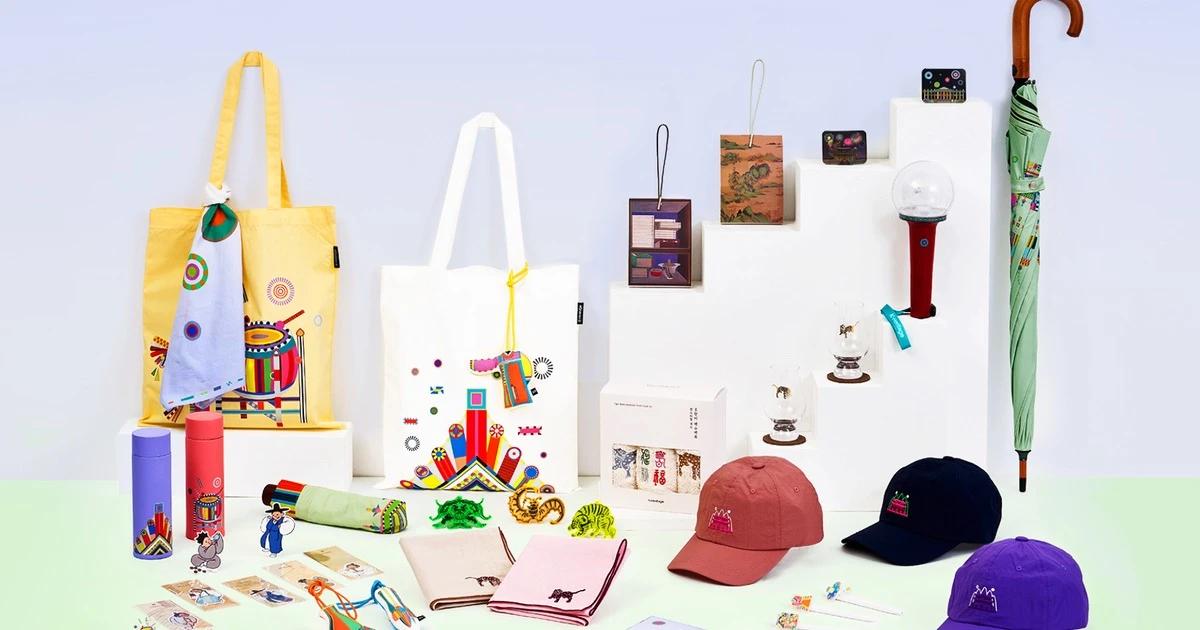
Korea is not just releasing a novelty souvenir here. It is borrowing the emotional hardware of fandom and plugging it straight into cultural tourism. Seoul Economic Daily reported that Kream's 2026 Royal Culture Festival collection paired the Gyeonghoeru-inspired LED cheering stick with tiger-motif glassware, patterned key rings, and genre-painting stickers, framing palace culture like a modern drop rather than a static history lesson. That strategy lines up with the official festival window too. The K-Royal Culture Festival site confirmed that the 2026 spring edition ran from April 25 to May 3 across the royal palaces and Jongmyo Shrine, giving the merch a built-in event calendar and foot traffic engine. We have seen Korea export music, beauty, and drama with ruthless clarity. This feels like the same playbook turned inward, using a familiar K-pop object to make first-time visitors read a palace visit less like homework and more like membership.
The product shot also tells on the strategy. In Kream's collection image, the light stick sits beside caps, tote bags, cards, and display goods that feel closer to a lifestyle capsule than a dusty souvenir shelf. According to Seoul Economic Daily, that broader collection was built to combine traditional symbolism with contemporary design. That is exactly why this launch lands. The object is not asking young visitors to abandon their shopping habits at the palace gate. It is meeting them there.
Gyeonghoeru Is Doing the Heavy Lifting
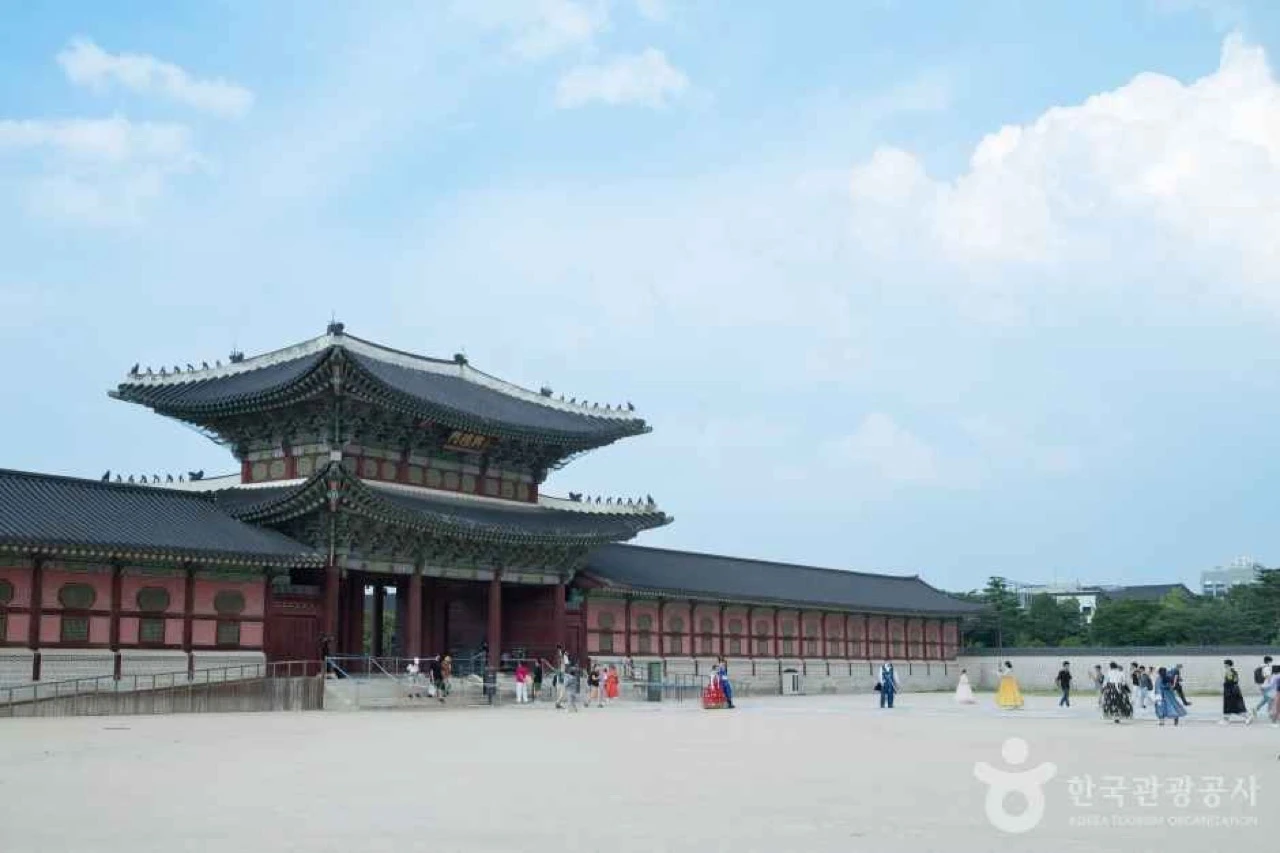
Gyeonghoeru Pavilion is not a random motif, and that is what gives the light stick more weight than a gimmick. VisitKorea notes that Gyeongbokgung was built in 1395 and still retains Gyeonghoeru as one of its signature surviving structures, a banquet pavilion tied to royal receptions and some of the palace's most recognizable imagery. The Korea Herald's report makes clear that the new product literally miniaturizes that pavilion inside the globe, which is a cleaner design move than slapping a palace logo on plastic and calling it a day. If you are going to turn heritage into merch, this is the sharper way to do it. The object keeps the architecture at the center of the fantasy.
There is a wider content logic here too. Korean heritage has been moving closer to pop storytelling all year, whether through palace festivals, music-linked tourism, or the broader appetite for Joseon-era imagery that also powered our coverage of The King's Warden. The difference is that the Palace Light Stick does not wait for a film or drama to mediate the experience. It lets the site itself become the collectible.
This Is Also a Smart Global Translation
The global upside is obvious. English-speaking institutions such as The Korea Society have spent decades building cultural fluency around Korea for US audiences, and that same audience now encounters Korean heritage through tourism boards, dramas, fan communities, and museum programming. A palace light stick compresses all of that context into one highly legible object. You do not need a guide to understand that it is playful, collectible, and designed to be shown off. That kind of translation matters. The best culture exports do not just preserve meaning. They package meaning in a form people already know how to use.
What happens next is the real tell. If the Korea Heritage Service keeps extending this logic with better drops, smarter restocks, and more site-specific design, palace merchandising could stop being a side business and become a real tourism lever. According to the official festival calendar, the spring event has already shown it can create urgency around a limited window. The Palace Light Stick proves the bigger idea. Korea's heritage sector does not need to imitate pop culture from a distance anymore. It can merchandise itself with the same confidence.