Share This Article
WEBTOON's Studio White turns Japanese fantasy IP into a new K-webtoon lane
WEBTOON's new Studio White links LINE Digital Frontier, REDICE STUDIO, and KADOKAWA to turn legacy Japanese fantasy IP into vertical webcomics, starting with a new Record of Lodoss War launch on May 9.
May 4, 2026
WEBTOON’s new Studio White is a joint production play built to turn Japanese fantasy franchises into Korean-style vertical webcomics, and the first release arrives fast. According to WEBTOON Entertainment’s official April 30 announcement, LINE Digital Frontier launched Studio White with REDICE STUDIO and KADOKAWA to adapt established Japanese IP into original scroll-first series for WEBTOON’s platform. The opening title is a new Record of Lodoss War webcomic that launches in Korean on May 9, with English, Japanese, French, Traditional Chinese, Thai, and Indonesian releases planned next. This is why the move matters beyond one nostalgia play. WEBTOON is not just licensing another title for a quick headline cycle. It is building a repeatable pipeline where Korean webcomic production muscle meets Japanese fantasy brands that already have decades of recognition and fandom memory behind them.
That mix gives the launch a cleaner business angle than the average adaptation headline. REDICE STUDIO already knows how to package spectacle for vertical reading, KADOKAWA controls one of Japan's deepest fantasy and light-novel catalogs, and LINE Digital Frontier brings distribution through WEBTOON and Line Manga, according to WEBTOON Entertainment's announcement. Anime News Network also noted that the new projects are being built as WEBTOON platform exclusives, which matters because each adaptation becomes both a content play and a platform-retention play. That exclusivity also gives WEBTOON a cleaner reason to market these series as destination reads instead of generic catalog additions. We have already tracked the sector's scaling logic in our earlier look at webtoons becoming Korea's core adaptation engine. Studio White makes that trend more specific by applying Korean production systems to legacy Japanese IP in a format optimized for phone-first reading.
Studio White launches with a fast, multi-market Record of Lodoss War rollout
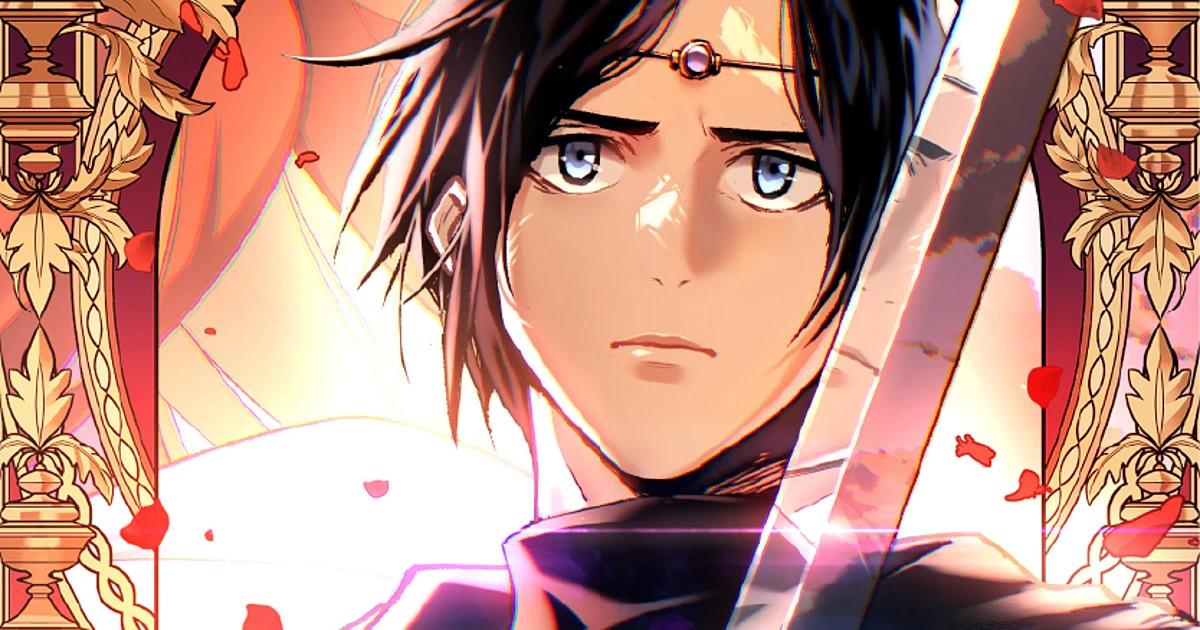
Studio White is launching with Record of Lodoss War, and the speed of that rollout says a lot about how serious the partners are. According to Anime News Network, the new webcomic will debut on May 9 in Korean first, with more language versions set to follow, while WEBTOON Entertainment's official announcement says creator Ryo Mizuno supplied the original concept for an untold chapter of the war. That matters because this is not being framed as a basic remaster or archive drop. It is a new story built for the vertical-scroll format, using one of Japanese fantasy’s most recognizable names as the first test case. If WEBTOON wanted a safe proof-of-concept, it picked one with built-in lore, legacy, and international recognition. If it works, the company gets more than launch-week attention. It gets a blueprint for how to remake older franchise value into a modern reading habit.
REDICE and KADOKAWA make this more than a one-off webtoon experiment
Studio White looks bigger than a single launch because the partner list already points to scale. According to Animation World Network’s report on the announcement, additional KADOKAWA properties lined up for adaptation include Sword Art Online, Slayers, and The Familiar of Zero, while REDICE STUDIO is leading production across the slate. That lineup matters because it tells readers and rights holders exactly what this venture is chasing: known fantasy and light-novel IP with enough name value to travel across markets. REDICE is not a random production add-on here either. Its track record with large-format webcomic storytelling gives WEBTOON a studio that can deliver visual momentum instead of just relying on brand recognition. From a market perspective, this is one of the clearest signs yet that Korean webtoon production is now being exported as a service layer, not only as homegrown IP.
Why this matters for the next phase of the webtoon business
Studio White matters because it gives WEBTOON a more aggressive answer to where future growth comes from. We have already seen platforms fight on product and monetization in our coverage of Korean webtoons entering the AI era, and we just saw audience-facing validation in Tappytoon's Webby win. According to WEBTOON Entertainment, this venture is designed to turn famous Japanese catalogs into original vertical-series inventory from day one, not wait for the next breakout original to appear by chance. That is smart because older IP carries lower awareness risk, while the webcomic format gives it a new monetization life across multiple language markets. It also gives rights holders a mobile-native way to reactivate franchises that younger readers may know only by name. If Studio White lands, expect more Korean-produced adaptations of non-Korean franchises, and expect rivals to chase the same cross-border conversion play very quickly.