Share This Article
SM Entertainment Just Opened Its First Official Offline Merch Store in China
SM Entertainment has opened SMTown Store Shanghai, its first official offline merchandise store in China, turning K-pop merch demand into a live retail test in one of Shanghai’s busiest commercial zones.
May 4, 2026
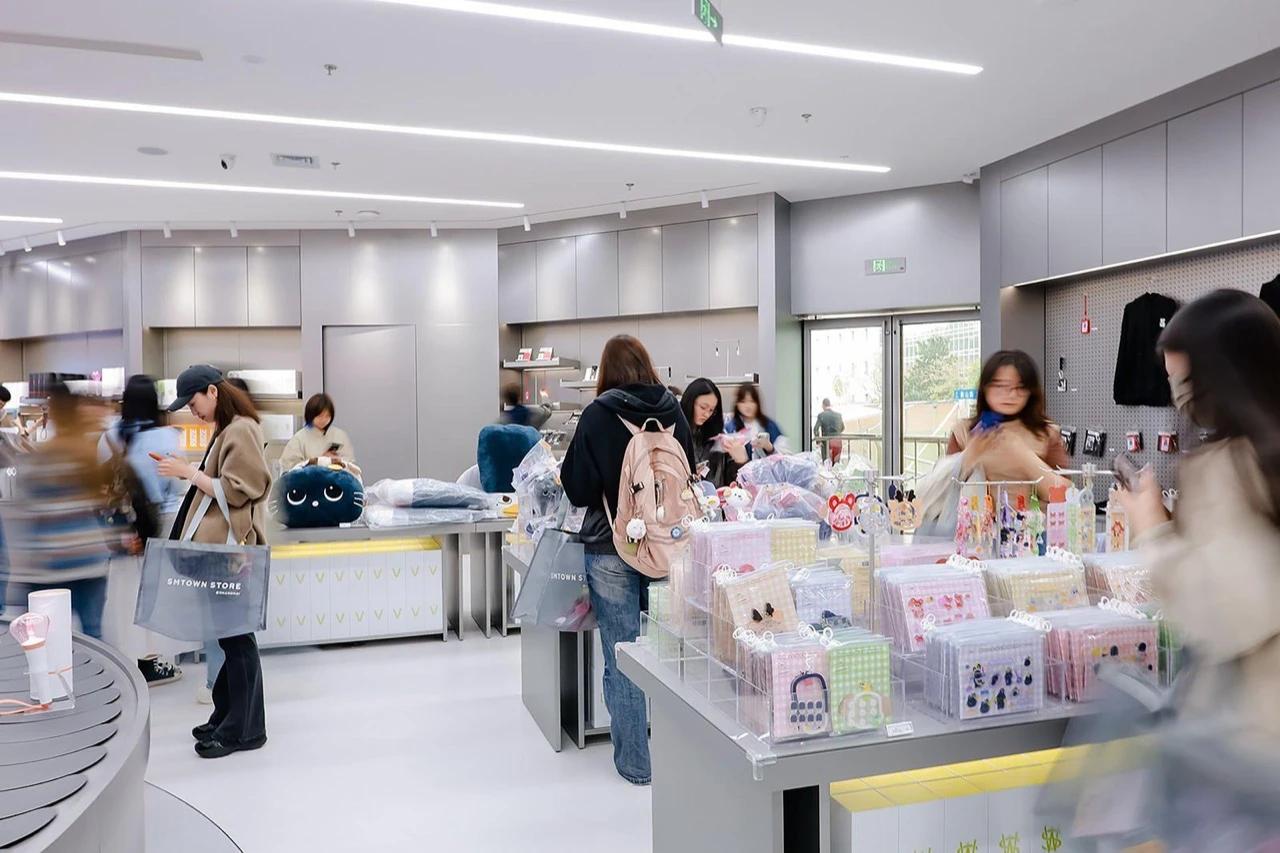
SM Entertainment has opened SMTown Store Shanghai, its first official offline merchandise store in China, turning a long-online fandom economy into a physical retail test in one of the country’s busiest shopping zones. According to Korea JoongAng Daily, the store opened this week in Shanghai’s Xujiahui commercial district and spans about 335 square meters, with light stick displays, album photo walls and large multimedia screens built for more than straight checkout traffic. SM also said the shop is the first official K-pop merchandise store to open in China, a claim repeated by both Korea JoongAng Daily and The Korea Times. That matters because SM is not just selling plushies and photo cards here. It is measuring whether artists such as aespa, EXO, NCT and RIIZE can pull repeat in-person foot traffic in a market where demand for official K-pop goods has clearly outlived the industry's colder China years.
We have seen K-pop agencies treat mainland China carefully for years, usually leaning on digital sales, local partners or temporary events instead of planting a branded permanent retail flag. That is why this opening lands bigger than a normal mall update. A live store gives SM Entertainment something the online cart never could: a place where fandom becomes visible, measurable and hard to fake.
Shanghai is the right city for a serious retail stress test
Shanghai is the right stress test because the store is sitting in the Xujiahui commercial district, a high-traffic retail zone with major subway access and a dense student population nearby, according to Korea JoongAng Daily. The report says the shop is inside the Xinyibai Young shopping complex, while The Korea Times rendered the venue name as Xinliubai YOUNG, so the safer read is the district rather than overcommitting to one English spelling for the mall. What matters more is the logic behind the address. This is not a tourist flex or a one-week fan cafe. It is a permanent offline bet aimed at younger shoppers who can browse albums, light sticks and character goods in the same trip they would spend on fashion, gaming or café runs. When a K-pop company chooses that kind of placement, it is testing habit, not just hype.
SM is selling a brand environment, not just a merch counter
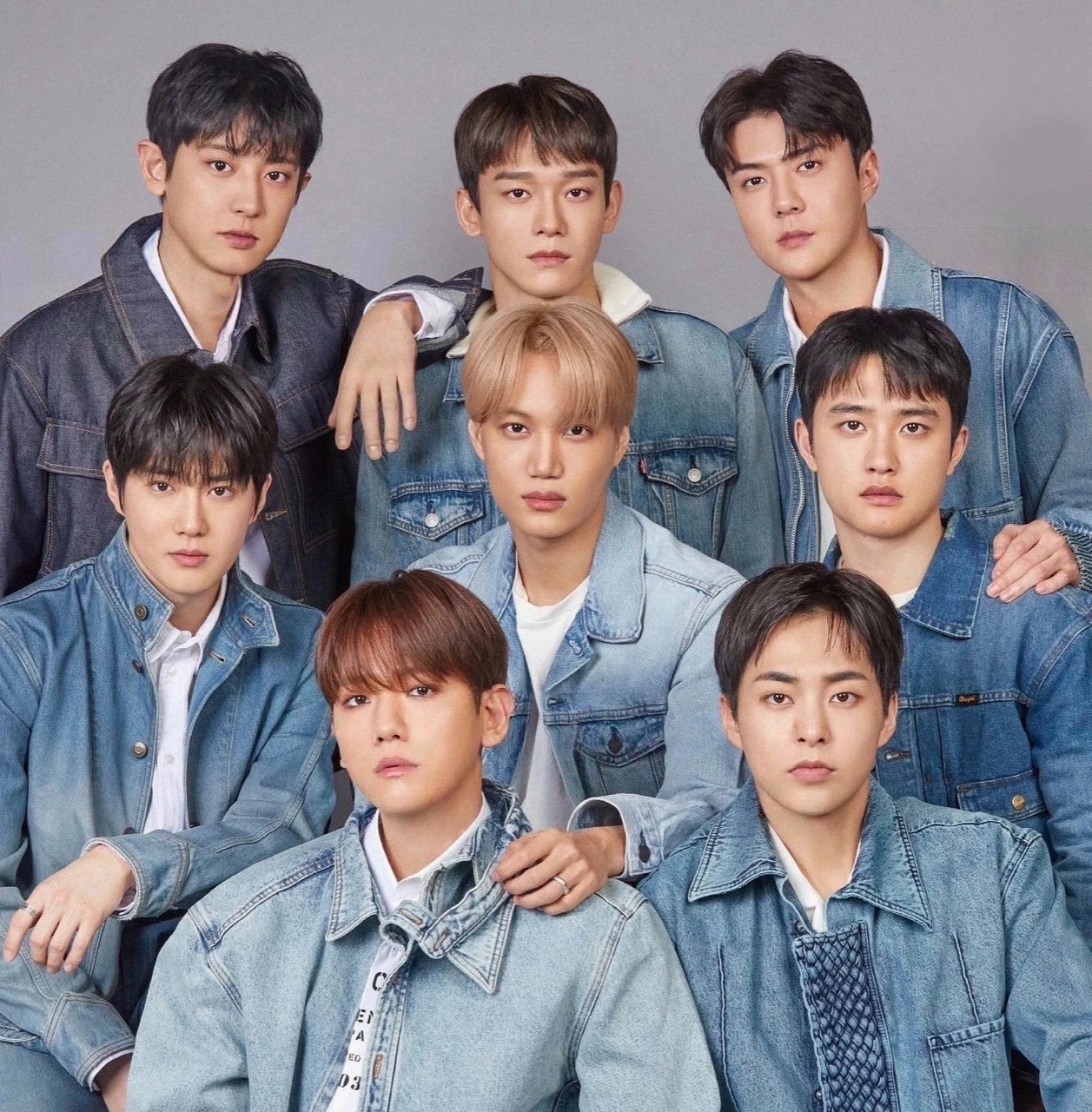
SM Entertainment framed the opening as a fan-experience move, not a simple retail launch. Korea JoongAng Daily reported that the store mixes product sales with exhibition-style features such as a light stick display zone, album photo walls and large screens, while co-CEO Jang Cheol-hyuk said SM plans to keep adding pop-ups and new content. The paper also reported that a pilot run tied to EXO content and locally tailored merchandise drew favorable responses before the official opening. That matters because the smartest version of this store is not a shelf of leftover tour stock. It is a rolling stage for whichever SM act is peaking that month, whether that is NCT Wish, Red Velvet or a catalog heavyweight such as Girls’ Generation. The official SMTOWN Global Shop EXO collection already shows how tightly SM packages artist identity and product together online.
The opening guest list also told its own story. According to Korea JoongAng Daily, co-CEOs Jang Cheol-hyuk and Tak Young-jun attended alongside Korean diplomatic officials in China and senior executives from SM’s local subsidiary. That is a lot of senior visibility for a merch store unless the company sees it as a signal asset.
This could become SM’s cleanest China market read in years
This store matters because it gives SM a live read on Chinese demand without needing to wait for a full arena-tour cycle or a broader policy reset. The Korea Times framed the launch as arriving amid thaw signals in Seoul-Beijing cultural ties, and that context is useful as long as nobody mistakes one store for a total reopening of the market. What SM gets right now is something more practical: daily foot traffic, product mix data, pop-up response and a direct look at which artists still convert strongest offline. We have already seen the company build physical retail logic elsewhere. Billboard reported in 2019 that SM Global Shop partnered with Hot Topic to move official merchandise through stores across the United States and Canada, proving SM has long treated retail as a brand-extension channel, not just a warehouse problem. Shanghai is the more politically delicate version of that same play.
There is also a deeper fandom point here. Official stores have always been part memory machine, part status signal and part spending engine in Korean pop. Even fan-history outlets such as K-Pop Sunbaes treat official sites and merchandise ecosystems as part of how the culture gets archived over time. If SMTown Store Shanghai works, SM will have built more than a checkout space. It will have built a local proof point that K-pop retail in China can function again as a habit, not just an import workaround. And if you have been watching SM’s wider rollout through our aespa tour coverage and our NCT Wish comeback coverage, the strategy is pretty clear: own the artist, own the merch, own the room.