Share This Article
HYBE, SM, JYP, and YG Are Building Fanomenon, the K-Pop Festival Korea Hopes Can Rival Coachella
HYBE, SM, JYP, and YG are discussing Fanomenon, a proposed 2027 mega-festival that could become K-pop's most ambitious live-business project yet.
April 17, 2026
HYBE, SM Entertainment, JYP Entertainment, and YG Entertainment are discussing a joint venture for a large-scale K-pop festival tentatively titled Fanomenon, with Korean reports pointing to a South Korea launch in 2027 and overseas expansion after that. According to The Korea Herald's April 16 report, the companies filed a business combination report tied to a concert-planning corporation, while Maeil Business Newspaper reported that JYP described the plan as part of a public-private K-culture expansion model. That combination of corporate filing, government-adjacent coordination, and live-event ambition is what makes the story matter. Korea's biggest labels are not teasing a one-night special. They are testing whether one shared festival platform can turn K-pop's scale into a repeatable export business.
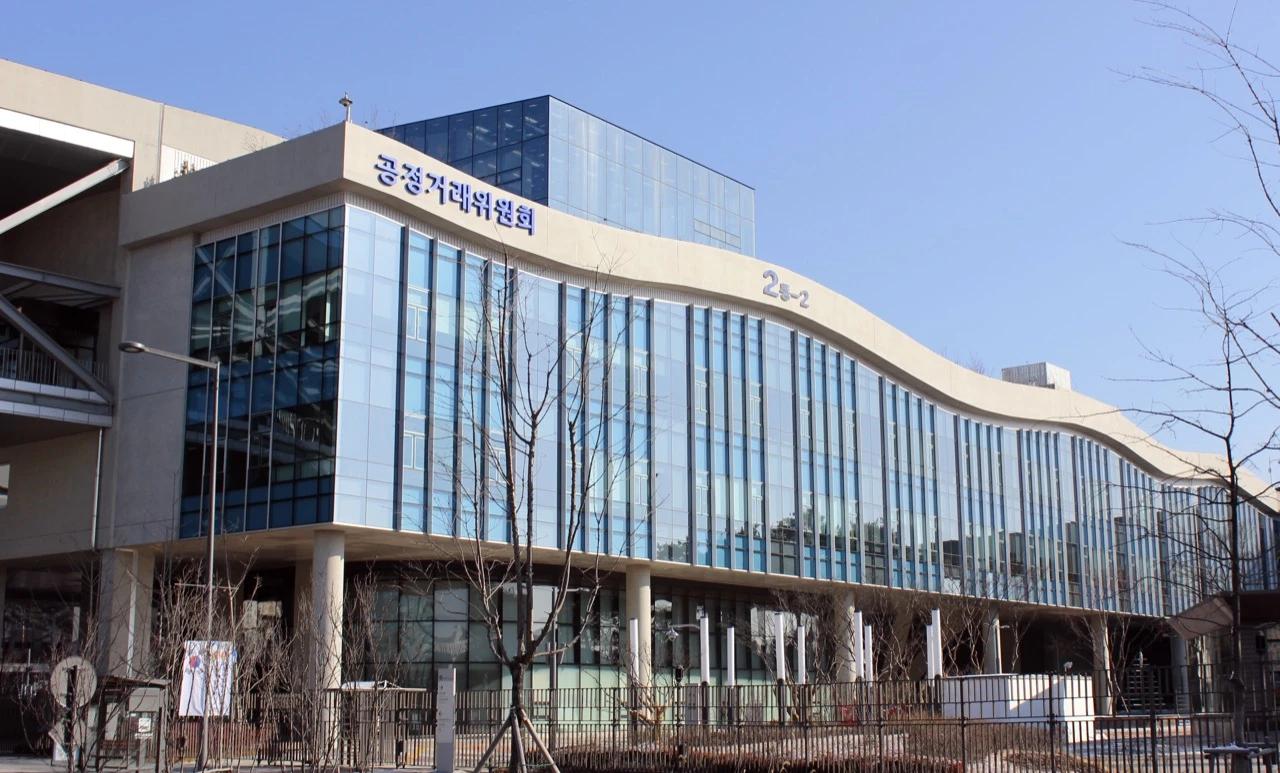
That is why Fanomenon deserves a more sober read than the easy “K-pop Coachella” shorthand. According to The Korea Herald, the companies are still working through legal procedures, Fair Trade Commission review, and governance details, even as the project is being discussed around equal investment and a December 2027 debut in Korea. Maeil Business Newspaper separately reported that the operating structure is still under review, with no final leadership model or booking framework locked. In other words, the headline is real, but the machine is not built yet. If this lands, Fanomenon could open a new lane for sponsorship, tourism, and cross-label fandom traffic. If it stalls, it will still show how aggressively Korea's music industry wants to industrialize the next phase of live entertainment exports at scale.
What the four agencies have actually confirmed about Fanomenon
The confirmed portion is narrower than some viral headlines suggest. JYP said discussions are underway on a public-private cooperation framework to expand K-culture globally, according to Maeil Business Newspaper, and The Korea Herald reported that the four agencies are reviewing a joint venture centered on concert planning. Billboard-level hype has focused on the dream lineup angle, but the more important fact is structural. The agencies appear willing to cooperate on infrastructure before they ever reveal a poster. That matters because a permanent festival brand needs governance, financing, venue strategy, and regulatory clearance long before it needs stage design or ticketing. According to The Korea Herald, equal investment is the current expectation, but leadership and operational details have not been finalized yet, which keeps Fanomenon in the serious-plan stage rather than the locked-event stage.
Why Fanomenon could reshape the live music business
K-pop has already proven it can dominate album sales, social virality, and stadium touring, but it still lacks a permanent flagship festival that belongs to the industry rather than to one promoter. Fanomenon is an attempt to package that whole machine into one recurring export product. According to The Korea Herald, the current roadmap points to a Korea launch in 2027 and overseas editions beginning in 2028. That timeline matters because festival economics are brutal. You need sponsor confidence, government cooperation, travel demand, artist scheduling, and enough depth across the bill to make the undercard feel truly premium across multiple long days. We have seen K-pop own showcase moments at major Western festivals, including our recent look at KATSEYE's Coachella breakthrough, but building a destination event from scratch is a far bigger business test.

Why the government angle matters almost as much as the lineup
The soft-power piece is not a side note. It is one of the clearest reasons this project exists. Maeil Business Newspaper reported that JYP explicitly tied Fanomenon discussions to the Presidential Committee on Popular Culture Exchange, while The Korea Herald traced the idea back to J.Y. Park's presentation at the committee's October launch. That means Fanomenon is being framed not just as a concert, but as a platform for exporting Korean popular culture at scale. We think that is the real tell. Korea is no longer trying only to export artists and songs. It is trying to export the system around them. If HYBE, SM, JYP, and YG can align long enough to make that happen, Fanomenon becomes more than a flashy weekend. It becomes one of the most serious infrastructure plays K-pop has attempted.
What fans and the industry should watch next
The next pressure points are regulatory approval, leadership of the joint venture, the host city, and whether the eventual bill mixes all four catalogs or leans on a smaller set of flagship acts. Fan reaction across Reddit and wider K-pop social spaces is already split between dream-poster excitement and skepticism that rival agencies can share the same spotlight without politics taking over. That skepticism is healthy. Mega-festivals live or die on execution, not announcement graphics. Still, if HYBE, SM, JYP, and YG really commit capital, artist time, and brand equity to the same field, Fanomenon instantly becomes one of the most consequential live-business experiments Korean pop has ever attempted.