Share This Article
K-pop's Relatability Era Is Here, and Interactive Promo Is Why
K-pop in 2026 is moving away from homework-heavy lore and toward relatable concepts, platform-native campaigns, and fandom worlds fans can enter instantly.
April 22, 2026
K-pop is getting easier to enter in 2026, and that is the point. Fifth generation acts including RIIZE, TWS, and NCT WISH are leaning into grounded emotions instead of labyrinthine lore, while campaigns from LE SSERAFIM, Yuna, Wonpil, and TXT are turning promo season into something fans can join instead of just watch. According to The Korea Herald's April 15 and April 19 trend reports, these two movements are part of the same strategic reset: agencies want lower-friction fandom entry, more everyday emotional resonance, and marketing worlds that travel fast across TikTok, Pinterest, Notion, and short-form feeds. In a market this crowded, the smartest move is no longer building the deepest fictional universe. It is giving fans a reason to feel seen within seconds, then giving them tools to turn that feeling into posts, saves, shares, and repeat engagement.
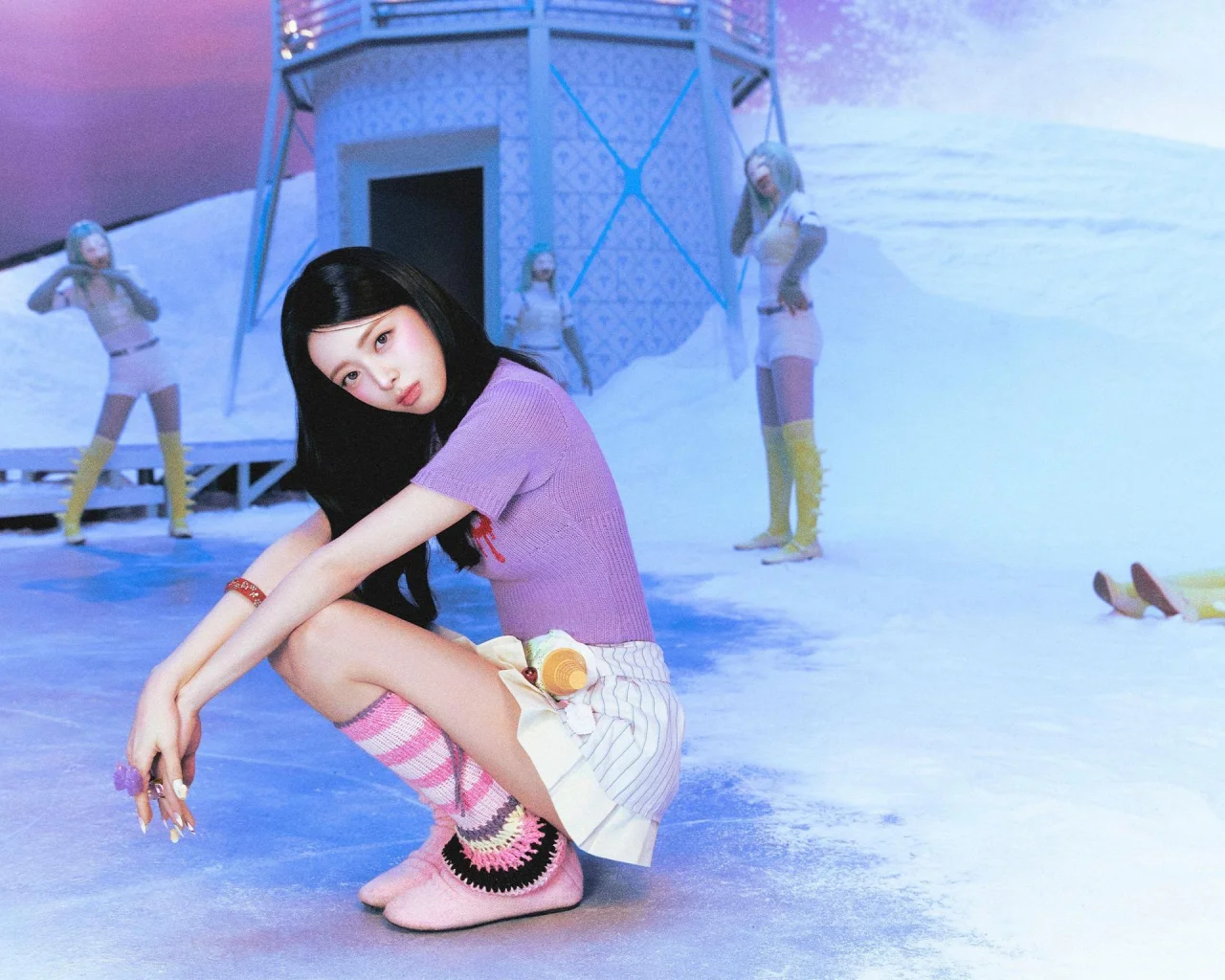
Relatable concepts are replacing homework-heavy lore
Relatable concepts are winning because they do not ask casual fans to study first. The Korea Herald reported on April 15 that newer groups such as RIIZE, TWS, and NCT WISH are moving away from dense fictional universes and toward first encounters, friendship, and ordinary youth emotions. That shift matters because older lore-first rollouts often rewarded the most online fans while leaving everyone else outside the joke. NCT WISH, a younger unit under SM Entertainment, has made its so-called Wishcore rise work precisely because it feels aesthetic, emotional, and instantly legible before it feels mythic. Even when the group keeps its Cupid motif, the framing is light enough to click immediately. This is not K-pop abandoning concepts. It is K-pop cutting the homework and keeping the emotional payoff, which is a much better fit for fans bouncing between Reels, TikTok edits, and streaming playlists all day.
We have seen this pressure building for a while. Lore still works when the music and visuals are strong enough, but the current fan economy rewards speed, shareability, and emotional clarity. That is why the newer sweet spot looks less like a fictional encyclopedia and more like a mood board. When TWS sells soft youthfulness, or when RIIZE frames its identity around recognizably modern coming-of-age feelings, the concept lands without a glossary. As reported by The Korea Herald, the return to simpler storytelling is not anti-creativity. It is a response to how fans actually discover groups now. Aesthetic fragments, short clips, relatable captions, and repeatable feelings travel further than mythology maps. For labels chasing both retention and reach, simplicity has become a growth tactic, not a compromise.
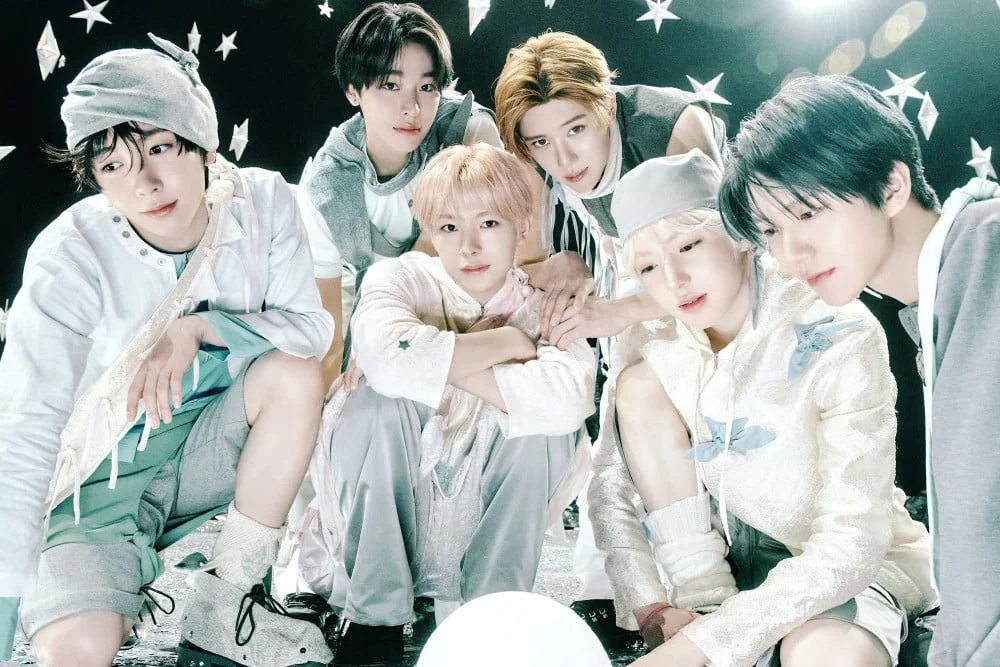
Interactive promotions are now mini worlds fans can step into
Interactive promotions are the natural next step because relatability works best when fans can play with it. The Korea Herald's April 19 report framed this clearly, pointing to LE SSERAFIM's April comeback cycle, Yuna's Pinterest-led Ice Cream rollout, DAY6's Wonpil sharing album-making notes through Notion, and TXT's Anti-Anxiety Club era as examples of campaigns that function like small digital environments. These are not passive teaser drops. They are invitation systems. Fans post their own celebrations for LE SSERAFIM, browse Yuna's concept mood board like a real storefront, decode TXT's emotional theme through a faux brand experience that mirrors online shopping behavior, and feel like they have already entered the era before the album even lands. According to The Korea Herald, agencies increasingly need promotional content that fans can actively engage with, not just consume.
The best part is that these campaigns still feel native to the platforms hosting them. Pinterest suits Yuna and her group ITZY because the rollout from JYP Entertainment trades on visuals, taste, and collectible image culture. Notion suits Wonpil because intimacy and process are part of his appeal as a songwriter from DAY6. TXT's virtual brand concept works because anxiety is already a meme language online, especially among younger fans who talk about burnout with equal parts sincerity and irony, and because BigHit Music knows how to package that feeling into something clickable. LE SSERAFIM's #TimeToCelebrate push, first teased on April 8 as confirmed by Soompi's teaser report, lands because it transforms ordinary moments into shareable fan prompts. The campaign does not ask fans to decode canon. It asks them to participate in a mood.
Why labels are making the shift now
This shift is also about scale. As reported by NextShark's coverage of Spotify's Seoul data session, K-pop streams on Spotify rose 362 percent globally from 2018 to 2023, with the US posting the biggest country-level gain. That kind of audience growth creates a discovery problem as much as an opportunity. If millions of potential listeners are meeting a group through one clip, one meme, one mood-board post, or one playlist add, the concept has to communicate instantly. That is where straightforward emotional storytelling and platform-native worldbuilding become powerful. Agencies are not simplifying because they ran out of ideas. They are simplifying because discoverability is now part of the art direction.
There is also a generational logic here. Gen Z and younger fandom culture favors identity signals that can be remixed into everyday online life. Wishcore does that. So does a faux retail site, a Pinterest board, or a campaign built around celebrating white socks and weekends. These are low-barrier entry points that still leave room for obsession later. A fan can start with a vibe, then move into albums, choreography, lore fragments, fan communities, and live shows. In that sense, 2026's concept shift is not the death of depth. It is smarter funnel design. The agencies that understand this are turning promotion into participation, and participation into fandom.
What this means for K-pop's next era
K-pop's next creative edge may be less about building bigger universes and more about building better doorways. Groups can still be ambitious, cinematic, and weird. They just have to become legible faster. That is why NCT WISH's accessible romantic framing, LE SSERAFIM's fan-led celebration prompts, and TXT's emotionally branded campaign world all feel connected. They reduce friction without flattening identity.
If the old model asked fans to enter a closed universe, the new one meets them where they already are: on social apps, in short-form habits, in everyday moods, and in the aesthetics they use to describe themselves. That is a sharper strategy than some purists want to admit. And honestly, it is probably why 2026's smartest K-pop campaigns feel less like lectures and more like open tabs you actually want to keep clicking.