Share This Article
Seoul bets 2.7 trillion won on Chang-dong K-Entertainment Town to build a year-round K-pop hub
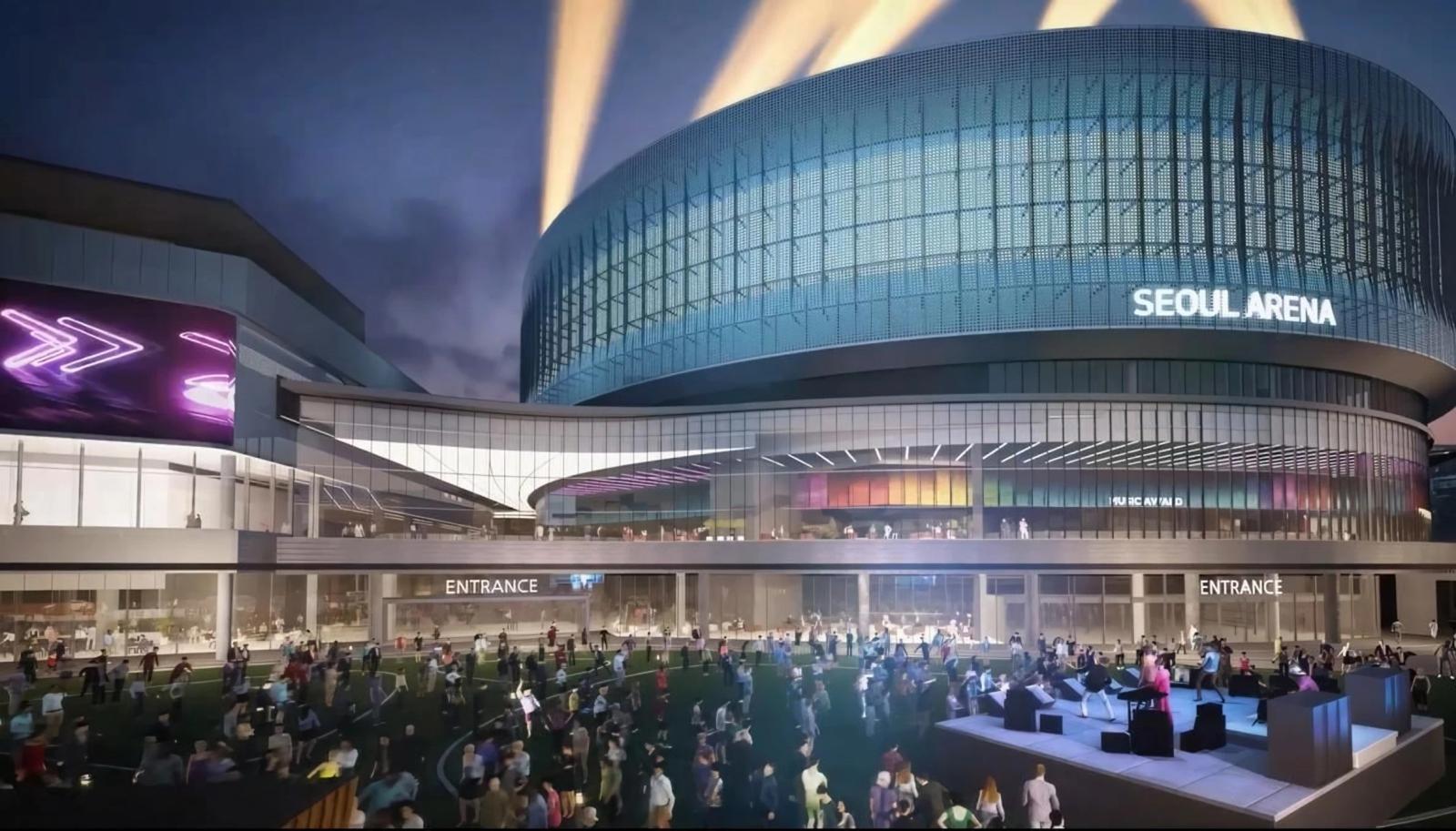
Seoul is investing 2.7 trillion won in Chang-dong K-Entertainment Town, a Seoul Arena-led district built to turn concerts, tourism, retail, and hospitality into one year-round K-pop economy.
April 22, 2026
Seoul is putting 2.7 trillion won, about $1.9 billion, behind a plan to turn Chang-dong into a year-round K-entertainment district anchored by the 28,000-capacity Seoul Arena, which is scheduled to open in May 2027. According to The Korea Herald, the city wants the venue to host more than 100 concerts a year while pushing fan spending into hotels, food, retail, and transport across northern Seoul. That makes this bigger than another venue story. Seoul is effectively trying to industrialize the full K-pop visitor economy, from ticket sales to beauty shopping to overnight stays. It is a tourism blueprint, a live music strategy, and a retail play rolled into one. As reported by The Korea Times, the city is pitching Chang-dong as a 24/7 cultural hub that can help support its broader goal of attracting 30 million foreign visitors a year.
Seoul Arena is the flagship, but the real play is a full district economy
Seoul Arena is being framed as the centerpiece, but the project only makes sense at full scale because the city wants the neighborhood around it to function like a permanent K-culture spending loop. According to The Korea Herald, the broader blueprint includes a convention center for award shows, album launches, and fan meetings, plus K-fashion, K-beauty, and K-food zones tied to retail space near Chang-dong Station. CHOSUNBIZ separately reported that the city also plans a K-pop plaza, a K-food specialty street, and policy incentives such as financing support, tax benefits, and relaxed density rules to pull in more private investment. In other words, Seoul is not betting on one building filling seats a few nights a month. It is betting on Chang-dong becoming the kind of place where a concert trip turns into a full weekend of merch, meals, shopping, and tourism spending. That logic is much closer to the broader festival-infrastructure play we tracked around Fanomenon than to a one-off venue build.
The city wants Chang-dong to feel active even when fans are outside the arena
The most interesting part of the plan is not the seat count. It is the attempt to make the entire neighborhood feel like an extension of the show. According to the Seoul Metropolitan Government, via The Korea Times, a new “Connective Live” system would broadcast concerts across public spaces around Chang-dong so fans can watch from plazas and nearby streets instead of disappearing the second doors close. The Korea Herald also reported that the city wants year-round busking, exhibitions, and street programming layered into the district. That is a smarter K-pop tourism play than simply building a giant hall and hoping demand handles the rest. If Seoul gets the street-level atmosphere right, Chang-dong could work less like a single concert box and more like a live entertainment campus with activity before the show, after the show, and on dates when no headliner is even in the building.
Hotels, homestays, and tourism infrastructure are part of the K-pop strategy
Seoul is also treating beds and transit as part of the entertainment product. The Korea Herald reported that the city plans to add about 700 hotel rooms and expand urban homestay options near Chang-dong, while CHOSUNBIZ said new tourism infrastructure will be tied to the integrated transfer center, nearby mixed-use sites, and the Jungnang Stream corridor. That matters because K-pop tourism breaks down fast when fans can get a ticket but cannot easily stay, move, or spend in the same district. We have seen the tourism side of Korean pop culture get more strategic lately, and even NextShark’s earlier Seoul Arena coverage treated the venue as an economic magnet, not just a concert room. That same fan-economy logic also showed up in our BTS fan-cities coverage, and even in our look at Buldak's Coachella return, both of which tracked how destination planning and on-site spending are becoming part of K-pop's wider live-business playbook. Seoul is now scaling that idea into a city-backed district strategy, which is exactly why this announcement lands with more weight than a standard arena update.
Why Chang-dong matters for Seoul's north-south balance
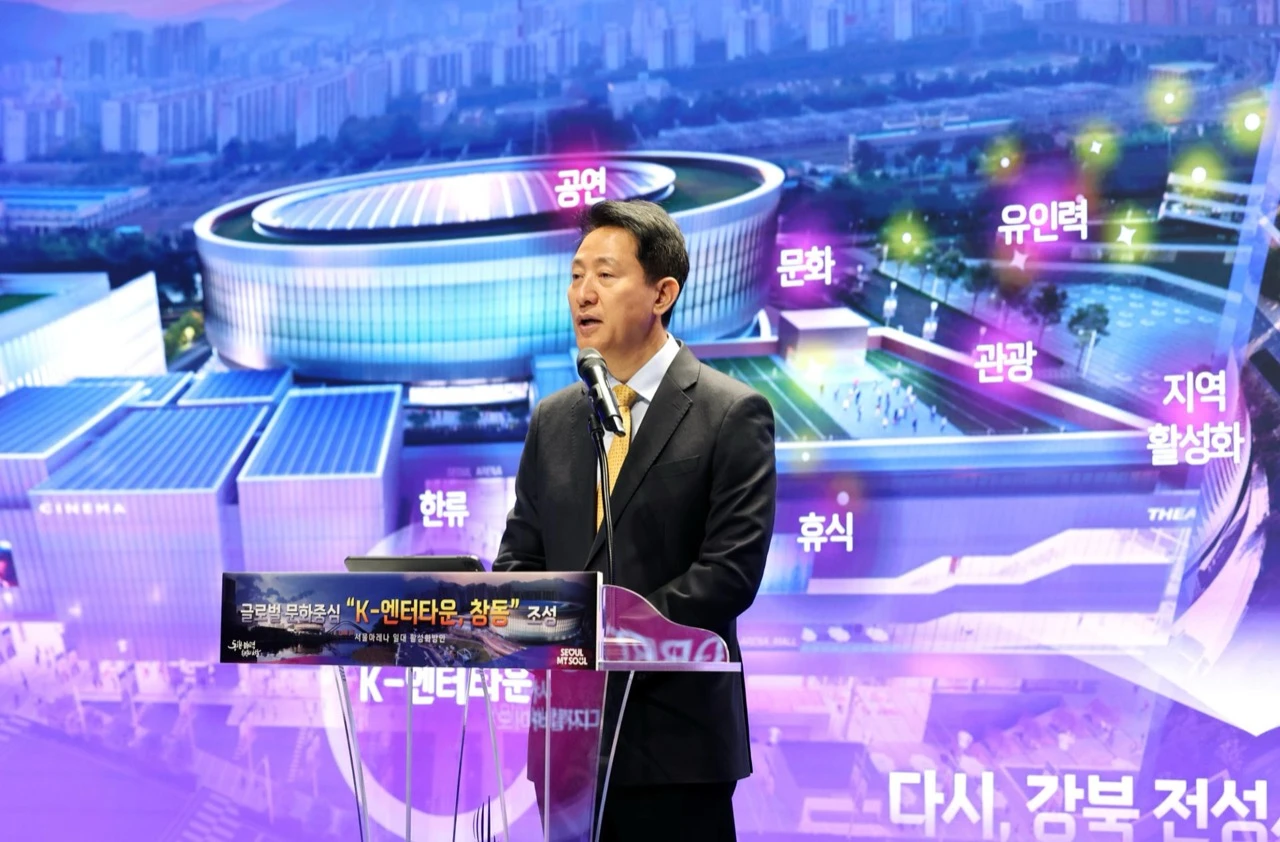
Mayor Oh Se-hoon is selling the project as a reset for northern Seoul as much as a K-pop build-out. According to The Korea Times, he said Chang-dong and neighboring Sanggye should no longer be treated as the city's outskirts, but as a cultural and economic core for the northeast. That framing matters. For years, the premium entertainment and lifestyle story in Seoul has tilted south, while Chang-dong has mostly been discussed in transit or redevelopment terms. This plan tries to rewrite that map by giving northern Seoul a flagship venue, a tourism district, and a cultural identity that can compete for both local foot traffic and foreign visitors. If the city delivers on the atmosphere, not just the construction, Chang-dong could become one of the clearest examples yet of K-pop being used as urban policy rather than just pop culture spectacle.