Share This Article
Korean Culture Is No Longer a Trend. It's a Global Lifestyle.
The 2026 Overseas Hallyu Survey is the clearest evidence yet that Korean culture has stopped being a trend and started being a fixture. KOFICE confirms consumers now spend 14.7 hours and $16.60 per month on Korean content across 30 countries, as K-pop holds the top global image position for the ninth consecutive year.
March 31, 2026
The 2026 Overseas Hallyu Survey (한류) is the clearest evidence yet that Korean culture has stopped being a trend and started being a fixture. Released Monday by the Ministry of Culture, Sports and Tourism and the Korea Foundation for International Cultural Exchange (KOFICE), the 15th annual edition of the survey polled 27,400 people aged 15 to 59 across 30 countries between November and December 2025, adding Singapore, Chile, and Poland for the first time. The results, confirmed by KOFICE on March 30, 2026, show that consumers of Korean content now spend an average of 14.7 hours and $16.60 per month engaging with it, up from 14 hours and $15.40 the year prior. That is not incremental growth. That is a behavioral shift, the kind that shows up not just in chart positions but in the daily routines of tens of millions of people across six continents. Korean culture is not arriving. It has arrived.
Nine Straight Years at the Top
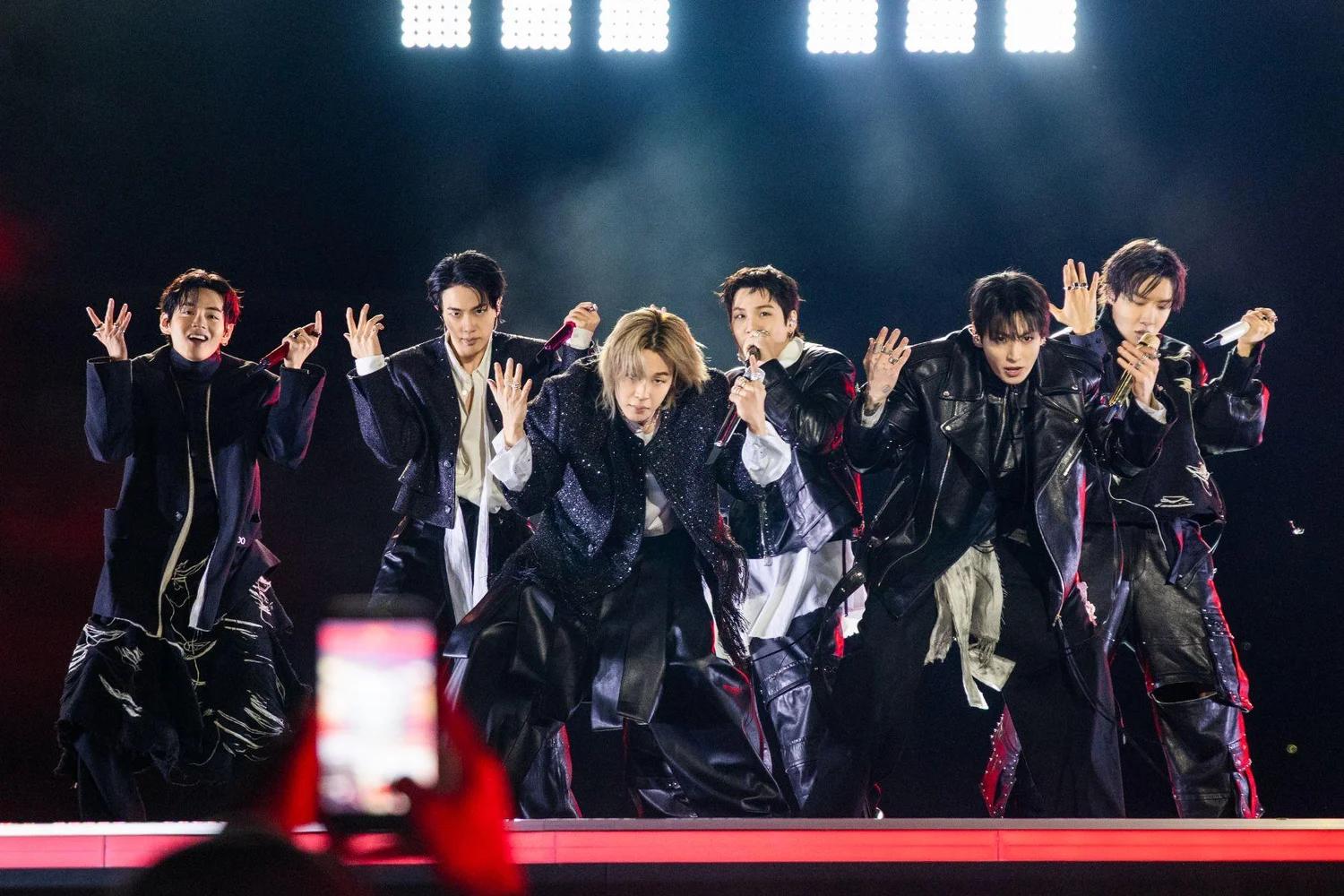
K-pop has maintained its position as the first cultural product that comes to mind when people outside Korea think of the country, according to the 2026 Overseas Hallyu Survey. That is the ninth consecutive year in that position, a streak that began in 2018 and shows no signs of breaking. BTS held the title of most-preferred Korean musical act for the eighth year running. Actor Lee Min-ho claimed the top position among Korean actors for the thirteenth consecutive year. IU appeared in both the most-preferred musical act and the most-influential figure rankings, a crossover presence that puts her in rare company. The number holding firm is less about market saturation and more about structural dominance: K-pop has converted casual listeners into habitual consumers at a rate no other regional pop genre has matched in the same timeframe.
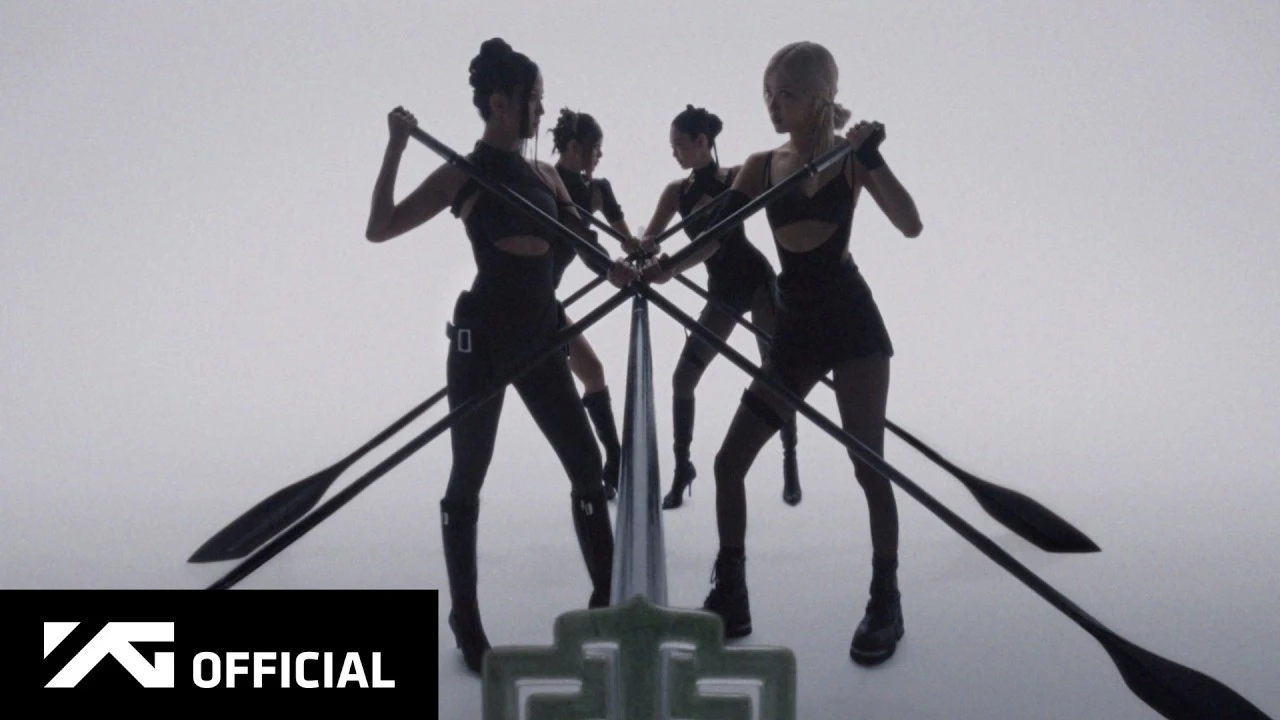
This year's survey introduced a new ranking question for the first time: the most influential Hallyu figures of 2025. BTS took the top spot. Lee Min-ho placed second. BLACKPINK and Jungkook shared third place. Lisa came in fourth. Fifth place was shared by IU and Lee Sang-hyeok, better known as Faker, the League of Legends world champion who plays for T1. As reported by the 2026 Overseas Hallyu Survey, this marks the first time an esports figure has entered the Hallyu influence rankings. The Korean Wave now formally extends into competitive gaming. That is not a footnote. That is a new chapter.
The West Is Waking Up
The dominant narrative of Hallyu's spread has long centered on Asia. That story is not wrong, but it is no longer the whole picture. In the United States, experience rates for Korean film, dramas, and variety programs all rose by more than 10 percentage points year-on-year, per the survey's country-specific data. In the United Kingdom, the growth was even sharper, with fashion, animation, and publication categories recording gains of up to 12.3 percentage points. Across Southern Europe, Korean music is surging: France was up 11.3 points, Italy up 9.7, and Spain up 6.4. These are not incremental shifts. According to the survey's authors, this magnitude of Western acceleration in a single year represents a qualitative change, the moment at which Asian cultural saturation gives way to mainstream Western adoption. The survey describes it as Korean content crossing into the "primary culture market" of Western countries, no longer a niche preference but a genuine competitor for primetime attention.
Content Rankings: The Titles That Keep Winning
In drama, "Squid Game" held first place globally at 12.4 percent of respondents, as measured by the 2026 Overseas Hallyu Survey, a position it has maintained since its 2021 Netflix premiere. The real story this year is second place: "When Life Gives You Tangerines," the Jeju Island-set drama starring IU, debuted directly at number two in its first year on the rankings, with particularly strong resonance in Latin America. In film, "Parasite" retained the top spot at 8.3 percent. PUBG: Battlegrounds held first place in the gaming category for the fifth consecutive year at 8.4 percent. Korean animation is also growing beyond its traditional youth audience: "King of Kings" entered the top five in the same year it released.
Korean food topped the overall experience rate chart across all content categories, edging ahead of film, drama, and music in how frequently respondents said they had actually engaged with Korean cultural content. And in a shift that signals how thoroughly Korea's global image has transformed: "North Korean nuclear threat/risk of war," once a reliable top-10 association people held with Korea, dropped out of the rankings entirely. It was displaced by IT products at 4.8 percent and automobiles at 3.6 percent. The country's global image is consolidating around culture and technology, not geopolitics. That is a reputational shift that would have seemed unlikely fifteen years ago.
How Hallyu Actually Spreads
Short-form video is the front door. Sixty-one point four percent of variety content consumers said social media and short-form platforms were their primary point of first contact with Korean content, outpacing OTT services as the initial touchpoint. The funnel works like this: a thirty-second clip lands on a For You page. Then curiosity pulls the viewer toward the full series on a streaming platform. Social is where the habit forms. Streaming is where the money is made.
For artists and brands trying to reach Western audiences, the implications are clear: short-form discoverability is not optional, it is the entry point to the fastest-growing segment of the global Hallyu audience. Long-running K-pop editorial outlets like The Kpopcast, which have been tracking the genre's international reach since 2012, have documented exactly this kind of grassroots discovery pipeline as the engine behind K-pop's Western expansion. The data now confirms what they have been observing in real time.
Respondents also defined "Korean content" in a telling way. Cultural elements ranked first at 23.3 percent, ahead of Korean cast members at 21.8 percent and Korean settings. Country of production ranked lower than all three. Audiences are not just following specific artists. They are following an aesthetic register they have learned to recognize and seek out across categories. That is how cultural movements become lifestyle fixtures.
What This Means for the Industry
"Hallyu has moved beyond a simple content trend to become structurally embedded in global markets," said Park Chang-sik, KOFICE president, in remarks accompanying the survey release. Previous government data pointed in the same direction, and the 2026 numbers confirm the trajectory. But what stands out this year is not the confirmation, it is the acceleration. The Western markets were supposed to be the hard part. They are now the growth story.
For BTS, whose ARIRANG comeback landed just ten days before this survey was published, the timing is almost cinematic. Eight years at the top of the global influence rankings, returning from military service into a world that has only grown more primed for what they do. For Faker, whose entry into the Hallyu rankings is the headline stat of this edition, it is recognition that competitive gaming has become a genuine cultural export, not just an entertainment product. Korean culture is no longer asking for a seat at the table. It built the table. The survey just counted the chairs.